Reliable Waste Removal: Queens Construction Dumpsters & Compliance
Reliable waste removal practices using Queens Commercial Building Construction Dumpsters are vital f…….
In the dynamic world of construction, efficient waste management is not just an environmental consideration but a critical operational and economic factor. At the forefront of this revolution is the concept of ‘Queens Commercial Building Construction Dumpsters’—a specialized system designed to streamline debris removal and recycling during commercial building projects. This article aims to provide an in-depth exploration of this innovative practice, its global impact, and the multifaceted benefits it offers to builders, contractors, and cities alike. By delving into various aspects, from historical roots to future trends, we will uncover how Queens Commercial Building Construction Dumpsters are reshaping the construction industry and contributing to more sustainable urban development.
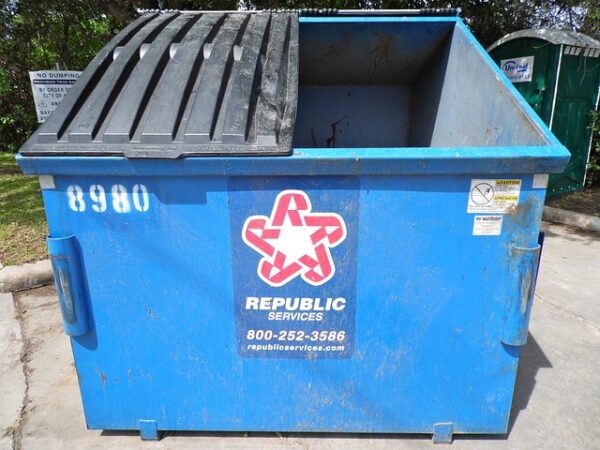
Definition: Queens Commercial Building Construction Dumpsters, often referred to as ‘construction roll-off containers’ or simply ‘roll-offs’, are large, temporary storage units designed for efficient collection and disposal of construction waste. These dumpsters come in various sizes, typically ranging from 10 to 40 cubic yards, allowing them to accommodate different project scales.
Core Components:
Container Structure: Built with robust materials like steel or polyethylene, these containers are designed to withstand heavy loads and harsh weather conditions. They feature secure locking mechanisms for safe transportation and stacking.
Waste Management System: The system includes a network of haulers, disposal facilities, and recycling centers. Haulers transport the filled dumpsters to designated sites for unloading, while recycling centers sort and process recyclable materials, reducing waste sent to landfills.
Logistics and Scheduling: Efficient coordination between builders, contractors, and haulers is vital. Scheduling includes drop-off and pick-up times, container placement, and waste removal routes, ensuring seamless project flow.
Historical Context: The concept of construction dumpsters has evolved over time, mirroring the changing landscape of urban development and environmental consciousness. Initially used as simple open-topped bins, they have transformed into sophisticated, standardized systems with improved safety features and environmental benefits. This evolution reflects a global trend towards more sustainable construction practices, emphasizing waste reduction and resource recovery.
Significance: Queens Commercial Building Construction Dumpsters play a pivotal role in modern construction by:
Efficient Waste Removal: They provide a centralized and organized system for managing construction debris, enabling quick removal and efficient site cleanup.
Environmental Conservation: By promoting recycling and proper waste segregation, these dumpsters help reduce the environmental footprint of construction projects.
Cost Savings: Efficient waste management can lead to significant cost savings for builders and contractors by minimizing labor expenses and optimizing material use.
Safety and Compliance: Standardized containers ensure safer working conditions as they are designed with operator safety in mind, and their use complies with local environmental regulations.
The practice of employing Queens Commercial Building Construction Dumpsters has gained significant traction worldwide, driven by the growing emphasis on sustainable construction practices and stringent environmental regulations.
Regional Adoption:
North America: The United States and Canada have been early adopters, with robust systems established in major metropolitan areas like New York City, Toronto, and Los Angeles. These regions prioritize efficient waste management and have invested in advanced dumpster logistics networks.
Europe: Countries such as Germany, the Netherlands, and the UK have long embraced construction dumpster systems due to their stringent environmental standards and circular economy initiatives. European cities often feature innovative container designs and sophisticated recycling infrastructure.
Asia Pacific: Rapid urbanization in countries like China, Japan, and Australia has driven the demand for efficient waste management solutions. These regions are witnessing a surge in the adoption of roll-off containers, particularly in major construction hubs.
Key Global Trends:
Increasing Regulation: Governments worldwide are implementing stricter environmental regulations, pushing construction industries to adopt more sustainable practices. This includes mandatory waste separation and recycling programs.
Circular Economy Focus: The global shift towards a circular economy influences construction waste management. Dumpster systems facilitate the recovery of reusable materials, contributing to a more sustainable built environment.
Technological Integration: Advancements in IoT (Internet of Things) and GPS tracking are enhancing dumpster logistics, allowing for real-time monitoring, efficient routing, and improved customer service.
Sustainable Material Innovations: The construction industry is exploring eco-friendly materials for dumpsters, such as biodegradable or recycled plastic composites, further reducing their environmental impact.
The economic implications of Queens Commercial Building Construction Dumpsters are multifaceted, affecting various stakeholders within the construction ecosystem.
Market Dynamics:
Supplier and Service Providers: The growing demand for dumpster services has led to the emergence of specialized haulers and waste management companies. These businesses cater to construction sites, providing containers, transportation, and disposal services.
Construction Companies: Builders and contractors benefit from efficient waste removal, which reduces project costs and improves site conditions. This can lead to increased productivity and better project outcomes.
Investment Patterns:
Infrastructure Development: Governments worldwide are investing heavily in infrastructure projects, driving the construction sector and, consequently, the demand for dumpster services.
Sustainable Initiatives: Public and private investments in green building projects often include provisions for advanced waste management systems, further propelling the market for Queens Commercial Building Construction Dumpsters.
Economic Impact:
Job Creation: The industry supports a range of jobs, from container manufacturing and logistics to waste management and recycling. This contributes to local economies and skill development.
Cost Efficiency: Efficient waste management practices can reduce overall project costs, making construction more affordable and accessible.
Technological innovations have revolutionized Queens Commercial Building Construction Dumpsters, enhancing their efficiency, safety, and environmental performance.
IoT and Real-Time Monitoring:
Container Tracking: GPS and IoT devices enable real-time tracking of dumpster locations, optimizing collection routes and improving service efficiency.
Fill Level Monitoring: Sensors inside the containers can monitor fill levels, allowing haulers to schedule collections more effectively, reduce unneeded trips, and minimize operational costs.
Automated Hauling Systems:
Self-Driving Trucks: The introduction of autonomous vehicles in waste management is a game-changer. These trucks can navigate tight construction sites, improve safety, and reduce labor costs.
Robot Assistants: Robots equipped with advanced sensors and AI can assist in loading and unloading dumpsters, enhancing efficiency and worker safety.
Digital Platform Integration:
Online Booking Systems: Construction project managers can use digital platforms to book dumpster services, track container locations, and manage waste removal schedules remotely.
Data Analytics: Advanced analytics provide insights into waste generation patterns, helping builders optimize material usage and reduce waste at the source.
Governing bodies play a crucial role in shaping the landscape of Queens Commercial Building Construction Dumpsters through policies and regulations that ensure environmental protection and efficient waste management.
International Agreements:
Paris Agreement: The global commitment to combat climate change has led to various agreements encouraging sustainable construction practices, including responsible waste management.
Sustainable Development Goals (SDGs): The United Nations’ SDGs include targets related to responsible consumption and production, waste reduction, and environmental protection, all of which impact construction dumpster systems.
Regional Regulations:
European Union (EU): EU directives mandate separate collection and recycling of construction waste, with strict disposal restrictions, setting a high standard for sustainable practices.
United States: Individual states have varying regulations regarding construction waste management, but many have adopted uniform standards to streamline dumpster operations and promote recycling.
Local Initiatives: Cities often implement their own policies, such as:
Waste Collection Bylaws: These regulate container placement, collection schedules, and recycling requirements for construction sites.
Incentives for Green Building: Some municipalities offer tax breaks or subsidies to builders who incorporate advanced waste management systems into their projects.
Despite its numerous benefits, the practice of using Queens Commercial Building Construction Dumpsters faces several challenges and criticisms that require strategic solutions.
Challenges:
Site Accessibility: Construction sites in dense urban areas may have limited space for dumpster placement, requiring innovative container designs or vertical stacking solutions.
Traffic Congestion: Hauling large containers can impact traffic flow, particularly in bustling cities. This challenge calls for efficient routing and coordination with local authorities.
Recycling Complexity: Proper segregation and recycling of construction waste can be challenging due to the diverse materials used and the need for specialized processing facilities.
Cost Variability: Dumpster rental prices can fluctuate based on market conditions, project scale, and location, making it a variable cost consideration for builders.
Criticisms:
Environmental Concerns: Critics argue that while dumpsters reduce landfilling, they do not always minimize the environmental impact of construction waste transport. Efforts to localize recycling facilities are essential.
Health and Safety Risks: Improper handling of hazardous materials or poor site management can pose risks to workers and nearby residents. Strict adherence to safety protocols is crucial.
Real-world applications of Queens Commercial Building Construction Dumpsters offer valuable insights into their effective use and impact.
Case Study 1: Downtown Manhattan Revitalization Project
In a bustling New York City neighborhood, a major renovation project aimed to transform an aging commercial district. The builders adopted an advanced dumpster system with real-time monitoring and self-driving haulers. This innovation allowed for:
Efficient Waste Removal: Containers were tracked and collected based on fill levels, reducing unneeded trips and labor costs.
Improved Site Visibility: Real-time data provided project managers with a clear picture of waste generation, enabling better resource allocation.
Local Community Engagement: The reduced noise and visual impact of traditional dumpsters contributed to positive community relations during the construction phase.
Case Study 2: Green Building in Tokyo
A Japanese architectural firm designed a landmark green building in Tokyo, incorporating sustainable practices throughout its construction. Their waste management strategy included:
On-Site Recycling: The project team set up advanced sorting and recycling stations at the construction site, allowing for the immediate processing of recyclable materials.
Local Hauling Partnerships: They collaborated with local haulers who utilized electric vehicles for waste transport, minimizing environmental impact and reducing noise pollution.
Public Education: The builders engaged the nearby community through workshops and events, raising awareness about sustainable construction practices and the importance of proper waste management.
The future of Queens Commercial Building Construction Dumpsters looks promising, with emerging trends shaping its evolution to meet the demands of a rapidly changing construction industry.
Potential Growth Areas:
Smart Cities and IoT Integration: As cities embrace smart city initiatives, dumpster systems will become more interconnected, leveraging IoT for efficient waste management and urban planning.
Circular Economy Expansion: The circular economy concept will continue to grow, driving the development of advanced recycling facilities and closed-loop construction materials.
Sustainable Urban Regeneration: Revitalization projects in downtown areas will require innovative dumpster solutions to balance efficient waste removal with the preservation of urban character.
Emerging Trends:
Autonomous Waste Management Fleets: The future may see entirely autonomous fleets of dumpsters and haulers, improving safety and operational efficiency.
Biomimicry in Container Design: Inspired by natural systems, container designs might evolve to facilitate better material separation and recycling at the source.
Digital Twin Technology: Digital twins of construction sites can optimize dumpster placement, collection routes, and overall waste management strategies.
Strategic Considerations:
Government Collaboration: Public-private partnerships can drive innovation and infrastructure development, creating a more sustainable construction sector.
Industry Standards and Certification: Establishing industry standards and certification programs for advanced dumpster systems can ensure quality and encourage adoption.
Community Engagement: Building relationships with local communities and businesses is essential to gain support for efficient waste management practices during construction projects.
Queens Commercial Building Construction Dumpsters represent a significant step forward in the journey towards sustainable urban development and construction practices. By efficiently managing construction waste, these dumpsters contribute to cost savings, environmental conservation, and safer working conditions. The global adoption of this practice, coupled with technological advancements and supportive policies, signifies a positive shift in the construction industry.
As cities continue to grow and construction projects become more complex, the role of efficient waste management systems will only increase. By learning from successful case studies and embracing emerging trends, stakeholders can ensure that Queens Commercial Building Construction Dumpsters remain a vital tool in shaping a sustainable future for the built environment.
Q: How do construction dumpsters benefit the environment?
A: Construction dumpsters promote environmental conservation by reducing landfilling and encouraging recycling and proper waste segregation. They contribute to a circular economy, where materials are recovered and reused, minimizing the need for new resource extraction.
Q: What is the role of technology in improving dumpster systems?
A: Technology plays a pivotal role by enabling real-time monitoring, optimizing collection routes, and enhancing recycling efficiency. IoT, autonomous vehicles, and digital platform integrations improve overall system performance and reduce environmental impact.
Q: How can builders ensure proper waste separation at construction sites?
A: Builders can implement on-site recycling stations with clearly marked containers for different materials. Providing training to site managers and workers, as well as engaging the local community through educational programs, can promote effective waste separation.
Q: Are there any incentives or subsidies available for adopting sustainable dumpster systems?
A: Yes, many governments and local authorities offer incentives, such as tax breaks, grants, or subsidies, to encourage builders and contractors to incorporate advanced waste management systems into their projects. These initiatives support sustainable construction practices and promote a greener built environment.
Q: How do dumpsters handle hazardous materials during construction?
A: Proper handling of hazardous materials requires specialized containers equipped with safety features, such as secure lids and labeling. Training site managers and workers to identify and manage these materials safely is essential to prevent accidents and environmental harm.
Reliable waste removal practices using Queens Commercial Building Construction Dumpsters are vital f…….
Customized waste disposal solutions, led by Queens Commercial Building Construction Dumpsters, are v…….
Site evaluation for Queens Commercial Building Construction is vital, focusing on land conditions, t…….
Queens Commercial Building Construction Dumpsters are revolutionizing waste management in urban area…….
Efficient waste management in Queens Commercial Building Construction utilizes customized dumpster s…….
In Queens Commercial Building Construction, adhering to BCA quality standards is crucial for project…….
Efficient waste management in Queens Commercial Building Construction projects is vital for environm…….
Selecting building materials for Queens Commercial Building Construction requires balancing structur…….
Specialized cleaning services are essential for Queens' dynamic construction landscape, address…….
Selecting top Queens Commercial Builders demands careful consideration due to dense urban planning a…….