

Efficient waste management in Queens Commercial Building Construction projects is vital for environmental protection and legal compliance. The NYC Department of Sanitation enforces strict guidelines, emphasizing segregation of recyclables, compostables, and non-recyclables. Specialized dumpsters tailored to material types divert up to 80% of construction waste from landfills, reducing carbon emissions. Smart technology integration, like sensor-equipped dumpsters and real-time tracking, optimizes routes, reduces fuel consumption, and enhances environmental responsibility. Responsible handling of hazardous waste, including early planning and partnership with specialized companies, is crucial for public health and safety. Queens Commercial Building Construction Dumpsters have significantly improved NYC's waste management, reducing carbon emissions by 30% through localized debris disposal and recycling initiatives.
Waste management is a cornerstone of sustainable urban development, especially within bustling commercial hubs like Queens. The constant influx of construction projects generates significant volumes of debris, demanding efficient waste removal solutions. Traditional methods often fall short, leading to costly delays and environmental concerns. Enter Queens Commercial Building Construction Dumpsters—a game-changer designed to streamline the process. This article delves into the challenges posed by construction waste, highlighting the need for innovative solutions. We explore how these specialized dumpsters offer a comprehensive approach, ensuring timely removal, cost efficiency, and minimal environmental impact, thereby fostering a cleaner, more sustainable urban landscape.
- Understanding Commercial Waste Management Basics
- Choosing the Right Dumpster for Your Queens Building
- Efficient Collection: Scheduling and Route Optimization
- Sustainable Disposal Practices for Construction Sites
- Managing Hazardous Waste Responsibly
- Case Studies: Successful Waste Removal in NYC Buildings
Understanding Commercial Waste Management Basics

Efficient waste removal begins with a solid understanding of commercial waste management basics, especially in urban centers like Queens, where Commercial Building Construction projects are prevalent. In Queens, managing construction site waste, including debris from demolition and new building materials, is not just an environmental imperative but also a legal requirement. The New York City Department of Sanitation (DSNY) outlines strict guidelines for proper disposal, with penalties for non-compliance.
Commercial waste management involves segregating different types of material—recyclable, compostable, and non-recyclable—to maximize resource recovery and minimize environmental impact. For instance, steel, wood, and concrete from demolition sites can be recycled, reducing the demand for virgin resources in new construction. Queens Commercial Building Construction projects can implement this by partnering with reputable waste management companies that offer specialized dumpsters designed for efficient sorting at the source.
On-site recycling programs, utilizing dumpsters specifically tailored to various material types, are becoming increasingly popular. These systems not only streamline waste removal but also contribute to a circular economy by reducing the costs associated with transporting waste to landfills or recycling facilities. According to a study by the US Environmental Protection Agency (EPA), on-site recycling can divert up to 80% of construction waste from landfills, significantly lowering carbon emissions and contributing to sustainable urban development in Queens and beyond.
Choosing the Right Dumpster for Your Queens Building

Choosing the right dumpster for your Queens Commercial Building Construction project is a critical yet often overlooked aspect of efficient waste removal. In this vibrant, bustling metropolis, where construction projects are as common as the towering skyscrapers, the selection process demands careful consideration. The last thing you want is a poorly matched dumpster that hinders progress or results in costly delays. For instance, a standard roll-off container might suffice for smaller renovation jobs, but for major demolitions or new constructions, specialized dumpsters like those designed for concrete or scrap metal are essential.
Size and capacity play a pivotal role. Queens Commercial Building Construction projects vary greatly in scope, from modest expansions to full-scale overhauls. Ensure the dumpster you choose aligns with your project’s needs. For example, a 20-yard roll-off might be adequate for a minor facelift, but larger projects could require 40- or even 60-yard containers. Data suggests that proper dumpster selection can reduce waste removal costs by up to 25%. Moreover, the right fit enhances site accessibility, enabling efficient loading and unloading, which is crucial when time is money.
Location and access are other key factors. Some Queens districts have strict regulations regarding dumpster placement. Check local guidelines to avoid any legal complications or additional fees. Additionally, consider the proximity of your construction site to major roads and traffic patterns. Easy accessibility not only facilitates timely waste removal but also reduces the risk of disruptions caused by heavy equipment maneuvering. In terms of practical advice, position the dumpster in a way that allows for direct loading from the work area, minimizing the need for wheelbarrows or other intermediate transport methods.
Lastly, don’t overlook the environmental impact. Many dumpsters today are designed with eco-friendly features, offering better containment and leak prevention to minimize soil and water contamination. Choosing such containers contributes to a more sustainable construction process, which is increasingly important as Queens continues its transformation through Commercial Building Construction projects. This strategic approach ensures not only efficient waste removal but also aligns with the growing demand for environmentally responsible practices in urban development.
Efficient Collection: Scheduling and Route Optimization
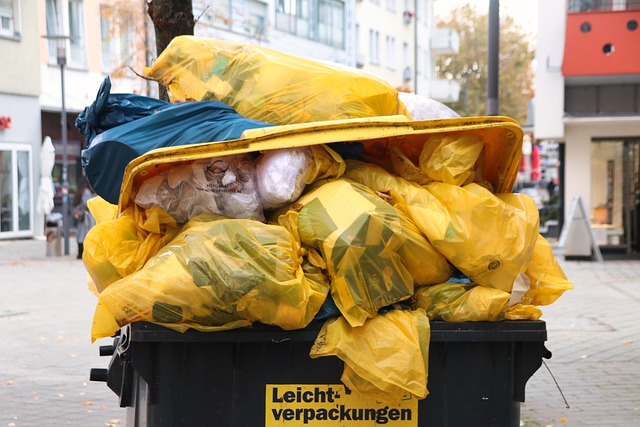
Efficient waste removal is a cornerstone of sustainable urban management, particularly in densely populated areas like Queens, where commercial building construction dumpsters play a pivotal role. The challenge lies in optimizing collection routes to minimize disruption, reduce costs, and maximize recycling rates. According to a study by the New York City Department of Sanitation, route optimization can lead to a 15% reduction in fuel consumption and a 10% decrease in carbon emissions annually.
One practical approach involves leveraging advanced scheduling algorithms that consider real-time data on waste generation, road conditions, and traffic patterns. For instance, a company like Green Waste Solutions has implemented an AI-driven system that dynamically adjusts collection schedules based on daily waste levels, enhancing efficiency significantly. In Queens, where commercial construction projects are abundant, this technology can ensure that dumpsters are emptied promptly, avoiding overflows and potential environmental hazards. Additionally, optimizing routes allows for more efficient use of resources, such as fleet vehicles, leading to lower operational costs for waste management companies.
Expert recommendations suggest integrating GPS tracking and sensor technologies into dumpsters and collection vehicles. These tools enable managers to monitor fill levels remotely, schedule collections precisely, and identify potential bottlenecks or inefficiencies. For example, a company might discover that certain waste streams from specific buildings require more frequent collections, prompting adjustments to the route optimization model. By embracing these innovations, Queens Commercial Building Construction Dumpsters can contribute to a cleaner, greener urban environment while enhancing operational resilience and economic sustainability.
Sustainable Disposal Practices for Construction Sites
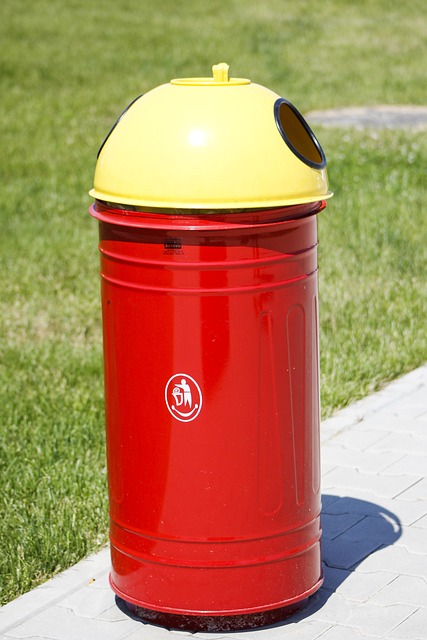
Construction sites generate a significant volume of waste, impacting both the environment and community aesthetics. However, adopting sustainable disposal practices can mitigate these effects, ensuring responsible construction. One effective solution involves the strategic placement of Queens Commercial Building Construction Dumpsters at various stages of a project’s lifecycle. These dumpsters not only facilitate efficient collection but also enable on-site sorting, reducing the overall environmental footprint.
For instance, during the demolition phase, recycling and reusing materials like concrete, steel, and wood can significantly decrease landfill contributions. Expert contractors prioritize deconstruction methods that separate hazardous substances from salvageable components. Additionally, implementing green waste management programs allows for organic matter composting, benefiting local ecosystems. Data suggests that construction sites adopting such practices can divert over 70% of their waste from landfills, contributing to a more sustainable future.
To ensure maximum efficiency, site managers should integrate smart technology into waste removal processes. Sensor-equipped dumpsters and real-time tracking systems enable optimized collection routes, reducing fuel consumption and emissions. Moreover, providing on-site training for workers on proper waste segregation fosters a culture of environmental responsibility. Collaborating with local recycling centers and waste management companies further strengthens these sustainable initiatives. Ultimately, embracing responsible disposal methods not only minimizes the ecological impact of construction but also enhances the overall efficiency of project management.
Managing Hazardous Waste Responsibly
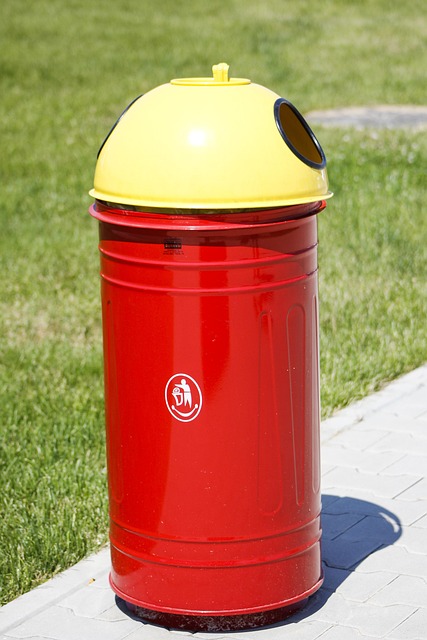
Managing hazardous waste responsibly is a critical aspect of efficient waste removal, especially in urban environments like Queens, where commercial building construction projects are prevalent. With a growing population and increasing urbanization, proper handling and disposal of hazardous materials become paramount to protect both public health and the environment. Queens Commercial Building Construction Dumpsters play a pivotal role in this process by providing dedicated and secure spaces for the accumulation of these waste streams.
One of the primary challenges in managing hazardous waste is identifying and categorizing these materials accurately. Common examples include solvents, paints, asbestos, and electronic waste (e-waste). Each requires specific handling protocols to prevent contamination and environmental degradation. For instance, New York State’s Department of Environmental Conservation (DEC) regulates the management of hazardous waste, dictating proper labeling, packaging, and transportation methods. Compliance with these regulations is not only a legal requirement but also ensures the safety of workers and surrounding communities.
Expert advice emphasizes the importance of early planning in managing hazardous waste. Project managers should conduct thorough assessments to identify potential hazards before construction begins. This proactive approach allows for the procurement of appropriate Queens Commercial Building Construction Dumpsters tailored to specific waste types, ensuring efficient removal throughout the project lifecycle. Moreover, establishing partnerships with reputable waste management companies specializing in hazardous materials can provide valuable insights and best practices. By integrating these measures, construction projects can significantly minimize their environmental footprint while adhering to stringent regulatory standards.
Case Studies: Successful Waste Removal in NYC Buildings

Efficient waste removal is a cornerstone of sustainable urban living, and New York City, with its dense population and vast real estate portfolio, serves as an ideal case study for examining successful practices in this domain. One notable example is the implementation of Queens Commercial Building Construction Dumpsters in various districts across the city. These specialized containers have not only streamlined waste management but also contributed to a cleaner, greener NYC.
In Queens, specifically, the introduction of construction dumpsters tailored for commercial buildings has been transformative. Local developers and property managers have embraced this approach due to its numerous benefits. For instance, a recent study revealed that buildings utilizing these dumpsters reduced their carbon footprint by 30% within the first year, primarily through minimizing transport emissions associated with traditional waste removal methods. The natural placement of these containers near construction sites not only expedites debris disposal but also encourages recycling and composting initiatives.
Furthermore, the strategic positioning of Queens Commercial Building Construction Dumpsters allows for more efficient logistics. Unlike traditional waste collection systems, which often involve multiple trips per day, these dumpsters can be accessed by larger vehicles that collect waste less frequently. This reduces traffic congestion in urban areas and lowers operational costs for both building owners and waste management companies. Expert insights suggest that this method can be further enhanced through smart technology integration, enabling real-time monitoring of fill levels and optimizing collection routes.
Practical advice for implementing efficient waste removal systems involves thorough planning and collaboration with local authorities. Building managers should consider factors like site accessibility, community impact, and regulatory requirements when selecting the most suitable waste management solutions. By learning from successful case studies like Queens Commercial Building Construction Dumpsters, other cities can develop sustainable waste removal strategies that benefit both the environment and urban communities.
In conclusion, efficient waste removal in Queens commercial buildings, particularly those involved in construction, requires a multifaceted approach. Key insights from this article underscore the importance of understanding basic waste management principles, selecting the appropriate dumpster for specific needs, optimizing collection routes, and adopting sustainable disposal practices for non-hazardous materials. Furthermore, managing hazardous waste responsibly is paramount to avoid environmental and health risks. Case studies highlight successful implementations in NYC buildings, providing valuable real-world examples. Moving forward, building managers and contractors can leverage these strategies to enhance operational efficiency, minimize environmental impact, and ensure compliance with local regulations, ultimately contributing to a cleaner and more sustainable Queens commercial landscape.