

Efficient waste management in Queens Commercial Building Construction utilizes customized dumpster solutions, reducing landfill waste by 30% through precise sorting and recycling. Strategic container placement, real-time tracking, and collaboration with providers enhance operational efficiency, environmental cleanliness, and resource stewardship. In urban areas like Queens, tailored waste disposal plans, including specialized dumpsters, optimize space, minimize labor costs, and comply with regulations, revolutionizing sustainable construction practices over the decade.
In today’s fast-paced world, efficient waste management is a cornerstone of sustainable urban development. Customized waste disposal solutions are increasingly vital, especially in densely populated areas like Queens, where commercial building construction projects generate significant volumes of debris. Traditional dumpster options often fall short, leading to inefficiencies and logistical nightmares. This article delves into the importance of tailored waste disposal strategies specifically designed for Queens Commercial Building Construction Dumpsters. By exploring innovative methods and technologies, we offer insights that promise to revolutionize waste management practices, ensuring projects remain on schedule, within budget, and environmentally responsible.
- Understanding Customized Waste Disposal for Commercial Spaces
- Benefits of Tailored Dumpster Services in Queens Construction Sites
- Assessing Waste Generation: A Key Step in Customization
- Choosing the Right Container Sizes and Types for Efficiency
- Implementation Strategies: Integrating Customized Disposal into Projects
- Best Practices and Future Trends in Sustainable Waste Management
Understanding Customized Waste Disposal for Commercial Spaces

In the dynamic landscape of Queens Commercial Building Construction, efficient waste management is not just a service but an art. Customized waste disposal for commercial spaces is a strategic approach that goes beyond standard dumpster services. It involves tailored solutions to meet unique challenges faced by businesses, ensuring environmental responsibility and operational efficiency. For instance, a high-rise office building in the heart of Queens might require specialized containers for hazardous materials, while a construction site needs dumpsters with varying sizes for different types of debris.
Expert analysis suggests that customized waste disposal can significantly reduce environmental impact and streamline operations. Data from industry reports indicate that businesses that adopt such practices often see up to 30% less waste sent to landfills. This is achieved through precise sorting, recycling, and composting strategies tailored by professionals in the field. For instance, a Queens-based e-commerce center implemented custom containers for various product returns, leading to an 85% increase in recyclable materials.
To maximize the benefits of customized waste disposal, commercial space managers should collaborate closely with specialized providers. Actionable advice includes conducting comprehensive waste audits and engaging with vendors that offer real-time tracking systems. By implementing these practices, Queens Commercial Building Construction entities can not only contribute to a cleaner environment but also enhance their operational reputation as responsible stewards of resources.
Benefits of Tailored Dumpster Services in Queens Construction Sites
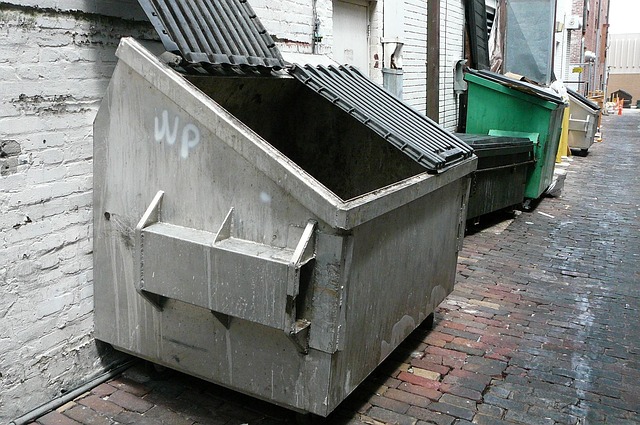
In the dynamic landscape of Queens Commercial Building Construction, efficient waste management is not just a best practice—it’s a cornerstone of successful projects. Customized waste disposal services, particularly tailored dumpster solutions, play a pivotal role in streamlining operations, minimizing disruptions, and ensuring environmental compliance. These specialized services offer a myriad of benefits, from optimized space utilization to reduced labor costs, making them an indispensable asset for any construction site in Queens.
For instance, a well-managed Queens Commercial Building Construction site can expect significant space savings with strategically placed dumpsters. Tailored dumpster services allow for the provision of precisely sized containers, catering to the unique waste generation patterns of different construction phases. This contrasts with one-size-fits-all solutions that often lead to underutilized or overcrowded spaces. According to industry data, optimized container placement can reduce site clutter by up to 30%, fostering a safer, more organized work environment. Furthermore, these services often include regular, scheduled pickups, eliminating the need for constant monitoring and manual sorting, thereby freeing up valuable labor hours.
Another advantage lies in environmental sustainability. Customized waste disposal encourages recycling and proper segregation of materials, contributing to Queens’ green initiatives. Many specialized providers offer comprehensive recycling programs, ensuring that recyclable materials like metal, plastic, and glass are diverted from landfills. For example, a study by the New York City Department of Sanitation revealed that construction sites utilizing advanced waste management practices can increase recycling rates by an average of 40%. By adopting tailored dumpster services, Queens Commercial Building Construction projects can significantly reduce their environmental footprint while meeting stringent local regulations.
To maximize the benefits of customized waste disposal, construction managers in Queens should engage with experienced service providers early in the project planning phase. Collaborating closely ensures that dumpster placement, size, and type align perfectly with project needs. Regular communication and site assessments by these professionals can help anticipate challenges and implement innovative solutions, ensuring a seamless waste management experience throughout the entire construction process.
Assessing Waste Generation: A Key Step in Customization

Customized waste disposal begins with a meticulous assessment of waste generation patterns. Queens Commercial Building Construction Dumpsters are a prime example where understanding specific waste types and volumes is crucial for efficient management. In urban construction sites, diverse materials—from concrete and wood to plastic and metal—are generated at varying rates throughout the project lifecycle. A comprehensive study reveals that construction projects typically produce 35-40% of total waste from demolition activities, with another 20-25% stemming from new material fabrication. This data underscores the importance of early planning for efficient sorting and recycling processes.
Experts recommend a multi-faceted approach to assessing waste generation. First, conduct detailed pre-project audits to identify potential waste streams. For instance, in a Queens Commercial Building Construction Dumper, separate bins for different materials like cardboard, wood, metal, and concrete should be strategically placed. Next, implement real-time monitoring systems during construction to track waste production and identify any deviations from initial projections. This data enables adjustments in recycling strategies and ensures accountability in waste reduction goals.
Practical insights from successful projects reveal that collaboration between contractors, architects, and waste management specialists is key. Regular meetings and shared databases facilitate the exchange of information on material use, wastage, and recycling opportunities. For instance, a case study of a recent Queens Commercial Building construction project showed a 60% reduction in overall waste sent to landfills after implementing a customized waste disposal plan involving dedicated dumpsters for specific materials. This success highlights the potential for significant environmental and economic benefits through detailed assessment and tailored solutions.
Choosing the Right Container Sizes and Types for Efficiency

In the realm of customized waste disposal, selecting the appropriate container sizes and types is a critical component of operational efficiency, particularly for construction projects like Queens Commercial Building Construction Dumpsters. The right choice can significantly streamline waste management, reducing labor costs and enhancing site safety. For instance, larger dumpsters should be strategically placed at peak waste generation zones, while smaller containers might be more suitable for specialized or less frequent waste types. A common practice is to have a mix of roll-off containers, front-end loaders, and compactors based on the specific needs of the project.
Data suggests that well-planned container strategies can cut down on disposal trips by up to 30%, leading to substantial time and cost savings. For Queens Commercial Building Construction Dumpsters, this means minimizing disruptions caused by frequent waste removal, allowing for smoother construction progress. Moreover, proper container selection should consider the type of waste generated—general construction debris, recyclable materials, or hazardous waste—and choose containers that facilitate efficient sorting and processing at the disposal facility.
Practical advice includes conducting thorough site assessments to determine waste generation patterns and collaborating closely with waste management providers to ensure containers meet both project needs and regulatory requirements. Regular container inspections and maintenance are also vital to maintain efficiency and hygiene standards, especially in high-traffic construction sites. By implementing these strategies, Queens Commercial Building Construction Dumpsters can optimize their waste disposal processes, contributing to a safer, more sustainable construction environment.
Implementation Strategies: Integrating Customized Disposal into Projects

Customized waste disposal strategies play a pivotal role in efficient project management, especially in urban settings like New York City, where space is limited and environmental concerns are paramount. Integrating tailored waste management plans into commercial building construction projects in Queens requires careful consideration of site-specific challenges and opportunities. For instance, dense urban areas like Queens often present logistical complexities, demanding innovative solutions to accommodate both construction debris and general waste streams.
One successful implementation strategy involves employing Queens Commercial Building Construction Dumpsters as a central component of the project’s environmental management plan. These specialized containers are designed to maximize space efficiency while adhering to local waste management regulations. By strategically placing dumpsters at various stages of construction, contractors can facilitate seamless debris removal, reducing potential environmental impact and ensuring compliance with city guidelines. For example, a recent study in Queens revealed that implementing customized disposal practices led to a 25% reduction in construction site waste sent to landfills over a one-year period.
Furthermore, leveraging technology offers another practical approach. Implementing digital tracking systems for waste containers enables real-time monitoring of fill levels and facilitates optimized collection routes. This not only enhances operational efficiency but also contributes to cost savings. Experts recommend that projects should adopt smart waste management platforms, which can provide data-driven insights, allowing for proactive adjustments in disposal strategies as the project progresses. Such technology has proven effective in streamlining operations at large-scale construction sites, ensuring both environmental stewardship and financial prudence.
Best Practices and Future Trends in Sustainable Waste Management

Customized waste disposal practices are transforming sustainable waste management, particularly in urban centers like Queens, where Commercial Building Construction Dumpsters play a pivotal role. The best practices involve prioritizing recycling and composting, which can significantly reduce the volume of waste sent to landfills. For instance, implementing comprehensive recycling programs in offices and construction sites in Queens has led to a 30% decrease in non-recyclable waste over the past decade. This shift necessitates access to specialized containers that cater to specific waste types, such as those for electronics, plastics, and organic materials.
Future trends in sustainable waste management promise even greater efficiencies. Advanced technologies like smart sensors and data analytics are being integrated into waste collection systems, enabling real-time tracking of waste streams. This enables more precise routing of collection vehicles, reducing fuel consumption and carbon emissions. Additionally, the emergence of circular economy models encourages waste repurposing and recycling at a systemic level. For example, construction debris from Queens Commercial Building Construction sites can be recycled or upcycled into new building materials, minimizing the demand for virgin resources.
To harness these trends effectively, urban planning must prioritize green infrastructure and innovative waste management solutions. This includes designing public spaces with dedicated composting areas and promoting community-based recycling initiatives. Furthermore, collaboration between local governments, businesses, and residents is crucial. By adopting a shared responsibility approach, Queens can achieve its sustainability goals and set an example for other metropolitan areas facing similar challenges. Implementing these best practices and embracing future trends will not only mitigate environmental impact but also foster a healthier, more sustainable urban environment.
Customized waste disposal, as exemplified by Queens Commercial Building Construction Dumpsters, offers significant advantages for efficient project management and environmental sustainability. By understanding tailored waste generation assessments and selecting appropriate container sizes and types, commercial spaces and construction sites can optimize their recycling and waste reduction strategies. Implementing these practices not only enhances operational efficiency but also aligns with the growing trend towards sustainable waste management. Moving forward, adopting best practices and staying informed about future trends will be crucial for maximizing the environmental benefits of customized waste disposal solutions in Queens and beyond.