

Quality Queens Commercial Building Construction site preparation ensures structural integrity, timely completion, and environmental stewardship. Key aspects include soil analysis, site grading, adherence to local codes, and debris management using strategically placed Queens Commercial Building Construction Dumpsters. Proactive assessment identifies challenges, guiding permit navigation and waste management strategies that can reduce costs and minimize environmental impact. Strategic dumpster placement enhances efficiency, facilitates recycling, and reduces construction site disruptions in densely populated areas like Queens. Best practices balance safety with sustainability for successful urban development.
Site preparation is a cornerstone of any successful construction project, particularly in the realm of Queens Commercial Building Construction. The meticulous process involves transforming raw land into a functional site, setting the stage for the erection of structures that will stand the test of time. However, ineffective site prep can lead to delays, budget overruns, and substandard results. This article delves into the intricacies of quality site preparation, offering insights on best practices, from clearing and grading to managing waste efficiently with Queens Commercial Building Construction Dumpsters, ensuring a solid foundation for your project’s success.
- Understanding Quality Site Preparation Fundamentals
- Site Assessment and Permitting for Success
- Designing a Plan with Queens Commercial Building Dumpsters
- Efficient Logistics for Construction Waste Management
- Best Practices for Safe and Green Site Preparation
Understanding Quality Site Preparation Fundamentals

Quality site preparation is a cornerstone of successful construction projects, particularly in the realm of Queens Commercial Building Construction. It involves meticulous planning, skilled execution, and adherence to stringent standards to ensure a robust foundation for any structure. The fundamentals of quality site preparation encompass several critical aspects that, when effectively managed, can significantly impact project outcomes. One key element is soil analysis, which determines the stability and load-bearing capacity of the existing soil, guiding decisions on foundation design and structural support. For instance, in areas with expansive clay soils common in Queens, specialized techniques like deep foundation systems or soil stabilization methods may be required to prevent settlement issues.
Another vital aspect is site grading, which involves carefully contouring the land to meet specific project requirements. Proper grading ensures effective drainage, prevents erosion, and facilitates efficient construction logistics, particularly when accommodating large Queens Commercial Building Construction Dumpsters on-site. Expertise in this area can translate into cost savings through optimized site layout and reduced need for extensive soil amendments. Furthermore, understanding and adhering to local building codes and regulations are indispensable. These guidelines dictate everything from minimum clearances around structures to specific safety measures related to hazardous materials, ensuring compliance and avoiding costly penalties or project delays.
In the context of Queens Commercial Building Construction, efficient debris management is also a cornerstone of quality site preparation. Strategically placing and managing Dumpsters can significantly impact construction efficiency. For example, well-positioned dumpsters can facilitate seamless material offloading, storage, and disposal, minimizing disruptions to adjacent properties or pedestrian traffic. Effective waste segregation at the source further enhances sustainability efforts by enabling efficient recycling and reuse of materials. By integrating these fundamentals into the project planning phase, construction teams in Queens can set the stage for a successful build, ensuring not just structural integrity but also timely completion and adherence to environmental stewardship goals.
Site Assessment and Permitting for Success

Site assessment and permitting are critical components of successful Queens Commercial Building Construction, especially when managing a dumpsters on site. A thorough initial evaluation of the property ensures that all potential challenges and opportunities are identified, paving the way for a smoother construction process. This involves meticulous examination of soil quality, existing infrastructure, environmental considerations, and regulatory compliance. For instance, assessing soil composition is crucial to determine load-bearing capacities and identify any contamination that may require specialized remediation before construction can commence.
Permitting is another vital aspect that requires meticulous attention. Navigating the complex web of local, state, and federal regulations without proper preparation can lead to costly delays or even project abandonment. Expert contractors understand the importance of obtaining necessary permits, such as building permits, zoning approvals, and environmental clearances, well in advance of construction. In Queens, for example, where commercial construction projects are prevalent, a deep understanding of local codes and regulations is essential to avoid permitting pitfalls.
For instance, consider a project involving the conversion of an old industrial space into a modern office complex. The site assessment might reveal historical contamination from previous industrial activities, necessitating specific remediation measures and additional permits. By proactively addressing these issues early in the process, contractors can mitigate risks, ensure compliance, and maintain project timelines. This strategic approach not only minimizes legal and financial exposure but also fosters a strong reputation for responsible and efficient construction practices.
Designing a Plan with Queens Commercial Building Dumpsters

Site preparation is a critical phase in construction projects, setting the foundation for success and shaping the ultimate quality of buildings. When embarking on a commercial construction project in Queens, meticulous planning and the strategic use of Queens Commercial Building Construction Dumpsters are essential components of achieving a robust site preparation process. This involves creating a comprehensive plan that ensures efficient waste management, safe working conditions, and minimal environmental impact.
The initial step in designing this plan is assessing the site’s unique characteristics. Factors such as terrain, existing infrastructure, and proximity to neighboring properties dictate the approach to site preparation. For instance, a project in a densely populated area may require more careful planning to accommodate Queens Commercial Building Construction Dumpsters without disrupting nearby businesses or residents. Experts recommend conducting detailed surveys and creating digital maps to visualize the site, identify potential challenges, and allocate space for essential equipment and materials, including dumpsters.
Once the plan is formulated, selecting the appropriate dumpster sizes and types becomes crucial. The volume of waste generated during construction varies significantly based on project scale and scope. Data from industry sources indicates that effective waste management strategies can reduce construction site waste by up to 30%. Therefore, accurately estimating waste output and choosing dumpsters tailored to handle varying material types is vital. For instance, a large-scale commercial renovation might require roll-off dumpsters for debris, while smaller projects could opt for containerized bins for more controlled waste segregation. This strategic approach not only ensures efficient site cleanup but also facilitates recycling and repurposing efforts, contributing to sustainable construction practices.
Efficient Logistics for Construction Waste Management

Efficient logistics for construction waste management are a cornerstone of quality site preparation, especially in densely populated areas like Queens, where commercial building construction projects must navigate urban landscapes with care. Proper handling of waste, including the strategic placement of Queens Commercial Building Construction Dumpsters, can significantly reduce project delays and environmental impact. The use of dumpsters equipped with advanced sorting mechanisms and material separation technologies further enhances sustainability efforts by facilitating recycling and diverting non-hazardous waste from landfills.
According to recent industry reports, well-managed construction projects can recycle up to 80% of their waste, leading to substantial cost savings and reduced carbon emissions. For instance, a case study in Manhattan revealed that implementing a comprehensive logistics system for construction waste management resulted in a 45% decrease in project costs associated with waste disposal. This achievement was largely attributed to the efficient use of Queens Commercial Building Construction Dumpsters, which allowed for easier material sorting and collection at the source, streamlining the entire process.
Practical insights from experts suggest that effective logistics planning should begin even before the first hole is dug. Site assessments and detailed planning ensure that appropriate waste management strategies are in place from project inception. This includes identifying specific types of waste generated (e.g., concrete, wood, metal) and arranging for specialized collection and processing methods accordingly. Regular communication between project managers, waste haulers, and recycling facilities is crucial to maintain the efficiency of the logistics chain, ensuring that Queens Commercial Building Construction Dumpsters are strategically positioned and regularly serviced throughout the construction cycle.
To foster a culture of responsible waste management, project teams should consider providing training for all stakeholders involved. This includes educating workers on proper waste sorting techniques and promoting a mindset of resource conservation. By embracing these practices, construction projects can not only meet environmental regulations but also contribute to a more sustainable future, making efficient logistics an essential component of quality site preparation in urban settings like Queens.
Best Practices for Safe and Green Site Preparation
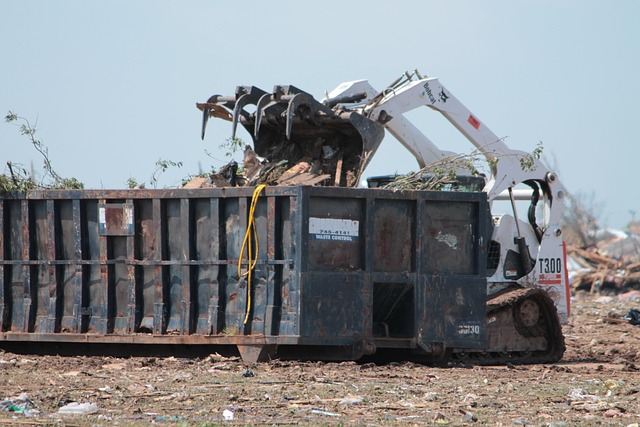
Quality site preparation is a multifaceted process that demands meticulous attention to safety and environmental considerations, especially within urban settings like Queens, where commercial building construction projects often involve limited spaces and dense populations. Best practices for safe and green site preparation not only mitigate risks but also contribute to sustainable development. One key strategy involves the strategic placement of Queens Commercial Building Construction Dumpsters. These dumpsters serve as more than just waste receptacles; they are central to efficient material management, reducing the need for frequent truck movements, which can disrupt local traffic and cause air pollution.
By incorporating green practices from the outset, contractors can significantly minimize their environmental footprint. This includes employing eco-friendly materials and techniques whenever possible, such as using locally sourced materials to reduce transportation emissions and implementing water conservation measures to preserve this precious resource. For instance, using permeable pavers can help manage stormwater runoff, while proper soil testing ensures that appropriate amendments are made without over-reliance on synthetic additives. Regular site inspections by trained professionals are crucial for identifying potential safety hazards early on, preventing accidents, and ensuring compliance with local regulations.
Additionally, effective communication among all project stakeholders—from contractors to subcontractors to regulatory bodies—is vital. Clear lines of communication foster a culture of safety and accountability, leading to more efficient operations and reduced risk of errors or omissions. For example, digital platforms that facilitate real-time data sharing can streamline permit applications, inspection schedules, and waste management logistics, ensuring that everyone involved is on the same page. By adhering to these best practices, Queens Commercial Building Construction projects can balance safety, environmental stewardship, and cost-effectiveness, setting a positive precedent for sustainable urban development.
By mastering quality site preparation fundamentals, from meticulous site assessment to implementing efficient logistics with Queens Commercial Building Construction Dumpsters, stakeholders can ensure successful construction projects. Permitting processes, thoughtfully designed plans, and safe, green best practices are paramount. This article offers a comprehensive roadmap, equipping readers with the knowledge to navigate complex site preparation challenges, optimize resource management, and foster environmentally conscious construction. Take these insights and apply them practically to elevate your project outcomes.