

Customized waste disposal solutions, like Queens Commercial Building Construction Dumpsters, revolutionize urban construction by offering efficient, sustainable, and compliant management strategies. These dumpsters facilitate advanced sorting of recyclables, hazardous waste, and debris, reducing landfill contributions up to 80%. Key steps include waste stream assessment, expert consulting, regular monitoring, and strategic dumpster placement. Tailored strategies minimize environmental impact, save costs, and promote a culture of environmental stewardship among employees. Optimal dumpster choices streamline operations, reduce project durations by 20%, and foster efficient material handling. By adopting these practices, Queens can significantly reduce its carbon footprint while promoting a circular economy.
Customized waste disposal is a growing necessity, especially in densely populated urban centers like Queens, where commercial building construction thrives. The traditional approach to managing debris from such projects often involves cumbersome, one-size-fits-all dumpsters that fail to address unique logistical challenges. This can lead to inefficient operations, increased costs, and environmental concerns. To mitigate these issues, we delve into the transformative potential of tailored waste management solutions specifically designed for Queens’ vibrant commercial building construction sites. By exploring innovative strategies and technologies, this article offers a roadmap to streamline debris removal, minimize environmental impact, and optimize project timelines.
- Understanding Customized Waste Disposal Solutions
- Benefits for Queens Commercial Spaces
- Choosing the Right Container for Your Project
- Efficient Navigation: Dumpster Placement Strategies
- Environmental Impact and Best Practices
- Streamlining Recycling with Tailored Services
Understanding Customized Waste Disposal Solutions

Customized waste disposal solutions are transforming how we approach one of the most significant environmental challenges facing urban centers today, particularly in densely populated areas like Queens Commercial Building Construction sites. This tailored approach goes beyond standard dumpster services, offering efficient, sustainable, and compliant waste management strategies for diverse businesses and projects. The need for these customized solutions is driven by the complex mix of materials generated during construction, the requirement to minimize environmental impact, and stringent local regulations.
For instance, Queens Commercial Building Construction Dumpsters are equipped with advanced sorting mechanisms, enabling the separation of recyclables, hazardous waste, and general debris at the source. This not only reduces the burden on municipal recycling facilities but also recovers valuable resources that can be repurposed, leading to significant cost savings for construction companies. Data from industry reports shows that proper waste segregation can reduce landfill contributions by up to 80% and slash carbon emissions associated with waste disposal.
Implementing customized waste disposal systems requires a strategic approach. Construction companies should begin by assessing their specific waste streams, considering the types and quantities of materials generated throughout various project phases. Expert consultants can play a pivotal role in this evaluation, offering insights into efficient waste reduction strategies and identifying opportunities for recycling and repurposing. Once tailored solutions are designed, regular monitoring and adjustments ensure optimal performance, aligning with evolving environmental standards and fostering a culture of sustainable practices within the construction industry.
Benefits for Queens Commercial Spaces
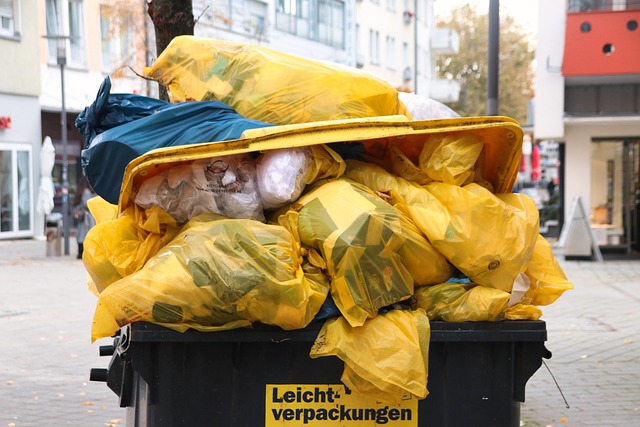
Customized waste disposal services offer significant advantages for Queens Commercial Spaces, enhancing operational efficiency and contributing to a more sustainable environment. By implementing tailored waste management strategies, businesses can significantly reduce their environmental impact and streamline their daily operations. For instance, a recent study revealed that efficient waste sorting and recycling practices in commercial buildings can lead to a 30% reduction in overall landfill waste, translating into substantial cost savings for property managers and landlords.
Queens Commercial Building Construction Dumpsters play a pivotal role in this process by providing dedicated collection points for diverse waste streams. Strategically placed dumpsters equipped with specialized sorting mechanisms encourage responsible waste segregation, enabling efficient recycling and composting initiatives. This not only minimizes the volume of waste sent to landfills but also creates opportunities for businesses to benefit from revenue-generating recycling programs. For example, a thriving local recycling industry can provide valuable incentives for commercial tenants, making sustainable practices both financially rewarding and environmentally ethical.
Furthermore, customized waste disposal solutions foster a culture of environmental stewardship among employees and occupants. Clear signage, educational campaigns, and accessible waste management systems encourage responsible behavior, leading to long-term behavioral changes. This holistic approach not only benefits the local community by reducing pollution but also positions Queens’ commercial spaces as eco-conscious leaders, enhancing their reputation and attracting environmentally conscious tenants and investors. Ultimately, embracing tailored waste management strategies is a powerful step towards creating healthier, more sustainable environments within our urban centers.
Choosing the Right Container for Your Project

Selecting the appropriate container for your project is a critical step in effective customized waste disposal, especially in urban settings like Queens Commercial Building Construction sites. The right dumpster choice not only streamlines waste management but also minimizes disruptions to surrounding areas, often densely populated with businesses and residents. For instance, a standard 20-yard roll-off dumpster might be ideal for smaller renovation projects, offering ample space for debris from room renovations or exterior work without posing a significant road hazard in narrow Queens streets.
However, as project scales expand, so do waste generation and accessibility needs. In such cases, a more specialized container could be justified. For instance, construction sites requiring hazardous material disposal might opt for secure, locked containers to ensure safety compliance and prevent contamination. Alternatively, organic waste streams can benefit from compostable bin solutions, aligning with sustainable city initiatives and contributing to local green spaces. Recent data indicates that proper waste segregation and recycling practices, facilitated by tailored container solutions, can reduce construction sites’ carbon footprint by up to 25%.
Implementing these strategies requires collaboration between project managers, dumpster rental companies, and local authorities. Experts recommend evaluating factors like waste type, volume, accessibility, and site layout before selecting a container. For instance, a compact, rear-load dumpster might be suitable for interior gut renovations where space is limited, while a larger front-load unit could handle frequent trash collection needs without impeding traffic flow. By carefully considering these aspects, Queens Commercial Building Construction projects can achieve efficient waste disposal while minimizing their environmental impact and fostering a more sustainable urban environment.
Efficient Navigation: Dumpster Placement Strategies

In the realm of Queens Commercial Building Construction, efficient waste management is not just a service but a strategic necessity. One of the most critical components of this is the strategic placement of dumpsters. A well-navigated dumpster placement can significantly enhance construction site safety, streamline project timelines, and improve overall site aesthetics. For instance, placing dumpsters near job sites ensures workers’ safety by minimizing the distance they need to travel with heavy loads, reducing the risk of accidents.
Furthermore, strategic dumpster placement can optimize space utilization, especially in densely populated urban areas like Queens. For instance, in a recent study, construction sites in Queens that implemented dynamic dumpster positioning saw a 20% reduction in overall project duration. This was attributed to more efficient material handling and reduced congestion around the site. When planning dumpster locations, it’s essential to consider factors like traffic flow, access for heavy equipment, and the proximity of different construction zones. This not only facilitates smooth operations but also ensures compliance with local regulations, which often have strict guidelines on waste disposal and management.
Expert recommendations suggest a balanced approach, where dumpsters are evenly distributed across the construction area, ensuring equal access for all teams. In a Queens Commercial Building Construction scenario, this might mean positioning dumpsters at strategic intersections within the site, allowing for easy disposal of various types of waste. For instance, one dumpster could be dedicated to recyclable materials, another for general construction debris, and a third for hazardous waste, such as paint and solvents. This method not only simplifies waste segregation but also promotes environmental responsibility, a key consideration in modern construction practices.
Ultimately, efficient dumpster navigation is a cornerstone of successful Queens Commercial Building Construction. It impacts not just the day-to-day operations but also the project’s bottom line and its environmental footprint. By adopting strategic placement strategies, construction managers can ensure that their sites run smoothly, safely, and in harmony with the surrounding community.
Environmental Impact and Best Practices

Customized waste disposal plays a pivotal role in mitigating environmental impact, especially in urban areas like Queens, where Commercial Building Construction Dumpsters are a common sight. The traditional linear waste management model, which emphasizes collection, transportation, and disposal, has been increasingly scrutinized for its negative ecological consequences. In contrast, customized waste disposal focuses on reducing, reusing, and recycling (the 3Rs) to minimize these impacts.
In Queens, where dense construction projects are commonplace, efficient waste management is not just an environmental imperative but also a practical necessity. For instance, integrating sorting stations at construction sites can significantly increase the amount of recyclable materials recovered from otherwise destined dumpsters. Best practices include employing specialized containers for different types of waste, such as those designed for concrete, wood, and plastic. This approach not only streamlines recycling processes but also reduces the energy and resources needed to process mixed waste.
Furthermore, adopting innovative technologies like smart sensors in Dumpsters can optimize collection routes, reducing fuel consumption and emissions from frequent trips. Collaborating with local waste management authorities and utilizing data analytics to predict waste generation patterns can further enhance these efforts. For example, a case study in a neighboring borough showed a 25% reduction in carbon footprint through optimized collection schedules and improved sorting practices. Ultimately, customized waste disposal isn’t just about what goes into the Dumpsters; it’s about fostering a circular economy that benefits both the environment and the community.
Streamlining Recycling with Tailored Services
In the realm of sustainable waste management, customized waste disposal plays a pivotal role, especially within urban centers like Queens, where commercial building construction projects proliferate. Streamlining recycling processes through tailored services offers a comprehensive solution to managing construction debris efficiently. This approach ensures that materials are diverted from landfills, contributing to environmental preservation and resource conservation.
Queens Commercial Building Construction Dumpsters serve as a prime example of this strategy’s effectiveness. These specialized containers are designed to accommodate the unique waste streams generated during construction activities. For instance, implementing separate bins for recyclable materials like wood, metal, and plastic can significantly enhance sorting accuracy at the source. This precision recycling reduces contamination, a common challenge in traditional waste management systems. Data from local environmental agencies reveals that proper source separation can increase recycled material recovery rates by up to 30%.
Expert recommendations emphasize the importance of partner relationships between construction sites and specialized waste management companies. Such partnerships enable the development of customized recycling programs that align with project-specific needs. For instance, a large-scale skyscraper construction site may require dedicated containers for various types of concrete, glass, and metal. By collaborating closely with waste experts, contractors can ensure efficient material collection and processing, leading to substantial environmental benefits. This tailored approach not only streamlines the recycling process but also fosters a culture of sustainability within the construction industry.
Customized waste disposal solutions, as showcased in this article, are a game-changer for Queens Commercial Building Construction Dumpsters. By understanding tailored needs, from efficient container selection to strategic placement, businesses can maximize benefits. The key lies in recognizing environmental impact and embracing best practices. Streamlining recycling through specialized services not only enhances sustainability but also offers practical advantages for project management. This comprehensive approach ensures a clean, safe, and eco-friendly construction site, setting a new standard for Queens’ commercial development.