

Queens Commercial Building Construction Dumpsters demand strategic waste management, including optimal placement for reduced environmental impact. Permits, safety, and compliance are paramount, requiring meticulous documentation and proactive communication. Choosing the right dumpster size and accessibility is crucial for efficient project flow. Material management strategies like recycling and advanced technologies reduce waste and costs. Delay mitigation involves strategic planning, site inspections, digital monitoring, and flexible problem-solving to ensure timely project completion.
Construction expertise plays a pivotal role in shaping our built environment, yet navigating the complexities of commercial building projects can pose significant challenges. Queens Commercial Building Construction Dumpsters serve as more than just waste management solutions; they are strategic assets that streamline project logistics, enhance safety, and contribute to efficient site management. This article delves into the intricate world of construction expertise, addressing the problems faced in the industry today and offering a glimpse into how innovative practices, including the strategic placement of dumpsters, can revolutionize the way we approach commercial building construction.
- Understanding Queens Commercial Building Construction
- Permits, Safety & Compliance: A Cornerstone of Expertise
- Choosing the Right Dumpster for Your Project
- Material Management and Waste Reduction Strategies
- Expertise in Navigating Construction Delays & Challenges
Understanding Queens Commercial Building Construction

Understanding Queens Commercial Building Construction involves a nuanced grasp of the unique challenges and opportunities presented by this vibrant urban environment. Queens, with its diverse landscape and booming economy, demands specialized knowledge to navigate its commercial construction projects effectively. One critical aspect often overlooked is the efficient management of waste, particularly through the strategic placement and utilization of Queens Commercial Building Construction Dumpsters.
The high-density nature of Queens poses significant logistical challenges for construction sites. Space constraints necessitate careful planning in positioning dumpsters to maximize capacity while minimizing disruption to surrounding businesses and residents. For instance, a study by the New York City Department of Sanitation found that strategic dumpster placement can reduce truck trips by up to 25%, leading to lower emissions and quieter neighborhoods. This not only enhances community relations but also contributes to a more sustainable construction process.
Expert advice recommends regular communication between contractors, haulers, and local authorities to ensure proper waste management practices. Implementing digital tracking systems for dumpsters allows real-time monitoring of fill levels and collection schedules, further optimizing operations. For example, some leading construction firms in Queens have adopted tech solutions that provide data-driven insights into waste generation rates, enabling them to fine-tune their dumpster strategies accordingly. This proactive approach not only cuts costs but also ensures compliance with city regulations, ensuring a seamless and environmentally responsible Queens Commercial Building Construction experience.
Permits, Safety & Compliance: A Cornerstone of Expertise

In the realm of Queens Commercial Building Construction, permits, safety, and compliance are not mere afterthoughts but cornerstone expertise. These aspects are vital to ensuring projects adhere to local regulations, mitigate risks, and foster a secure environment for workers and future occupants. Non-compliance can lead to costly delays, penalties, and even legal repercussions. Therefore, construction professionals must approach these responsibilities with meticulous attention.
One practical insight lies in understanding the intricate dance of permitting processes. Each municipality has its unique set of codes and requirements, demanding meticulous documentation and adherence. For instance, in Queens, builders often navigate a labyrinth of permits, from zoning approvals to building permits, involving multiple agencies like the Department of Buildings and the Fire Department. Expertise lies in anticipating these needs, accurately preparing necessary documents, and proactively addressing any discrepancies. A simple oversight or delay at this stage can cause significant project setbacks, underscoring the importance of dedicated professionals who stay abreast of such nuances.
Safety is another critical aspect where compliance is not just recommended but mandatory. The construction industry has seen substantial advancements in safety standards over the years, with frequent updates and stringent regulations. For example, the use of Queens Commercial Building Construction Dumpsters must adhere to specific guidelines regarding placement, containment, and waste management. Proper implementation of these measures reduces site hazards, prevents accidents, and ensures worker safety. Moreover, ongoing training and education for all personnel involved are essential. According to recent data, companies prioritizing comprehensive safety programs have seen a 30% reduction in workplace incidents, demonstrating the tangible benefits of such expertise.
To ensure success, construction firms should implement robust internal protocols, regularly audit their practices, and stay updated on industry trends and regulations. This proactive approach enables them to navigate the complex landscape of permits, safety, and compliance seamlessly. By doing so, they not only safeguard their projects but also contribute to a safer, more sustainable built environment in Queens and beyond.
Choosing the Right Dumpster for Your Project

Choosing the appropriate dumpster for your Queens Commercial Building Construction project is a strategic decision that can significantly impact efficiency, cost, and safety. The right dumpster should align perfectly with the nature and scale of your construction activities. For instance, a smaller roll-off container might be suitable for interior renovations, while larger dumpsters are essential for large-scale exterior projects like road construction or building demolitions. Understanding this relationship requires an in-depth look at project requirements and waste management considerations.
One key factor to consider is the volume of waste generated. According to industry data, commercial construction sites produce an average of 1.5 tons of waste per day, with variances depending on project complexity. This underscores the importance of accurately assessing waste output before selecting a dumpster size. For instance, using a smaller container for a high-waste project can lead to frequent emptying, increasing labor and transportation costs. Conversely, an overly large dumpster may result in inefficient utilization and unnecessary expense.
Furthermore, accessibility and maneuverability are critical aspects when choosing Queens Commercial Building Construction dumpsters. Sites with limited space or tight turns necessitate compact dumpsters that can navigate through narrow corridors. In contrast, wider areas allow for larger containers to maximize waste storage capacity. Expert advice suggests evaluating site conditions, terrain, and loading/unloading zones to make informed decisions. By carefully considering these factors, construction professionals can ensure seamless waste management throughout their projects, leading to more efficient operations and reduced costs.
Material Management and Waste Reduction Strategies

Material Management and Waste Reduction Strategies are vital components of successful Queens Commercial Building Construction projects. Efficiently managing materials not only minimizes cost overruns but also contributes to sustainability goals. Expert contractors understand that optimizing material usage involves a multi-faceted approach, from initial procurement to final project completion. For instance, utilizing recycled or sustainably sourced materials can significantly reduce construction waste, aligning with green building initiatives.
One practical strategy is the implementation of Queens Commercial Building Construction Dumpsters at strategic locations on site. These dumpsters facilitate timely removal of waste, preventing accumulation and potential site contamination. Data suggests that proper waste management systems can divert over 50% of construction debris from landfills, leading to substantial environmental benefits. Moreover, employing material tracking software enables contractors to monitor usage patterns, identify leaks, and prevent excess procurement, thereby reducing both costs and waste.
Expertise in material management also encompasses leveraging industry trends and innovations. For example, advanced recycling technologies allow for the repurposing of construction debris into new materials, creating a circular economy model. By adopting these strategies, Queens Commercial Building Construction projects can achieve remarkable waste reduction targets while maintaining high-quality outcomes. This not only ensures economic viability but also fosters a responsible and sustainable approach to building.
Expertise in Navigating Construction Delays & Challenges
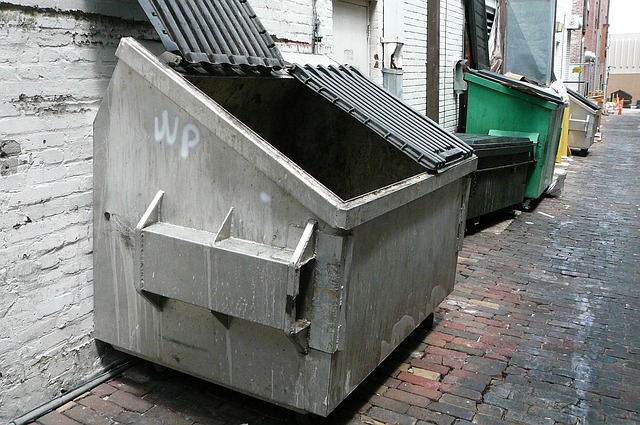
Construction delays are a common challenge, often leading to significant financial losses and project timeline setbacks. Expertise in navigating these delays is crucial for successful completion of any construction project, especially in dynamic urban environments like Queens Commercial Building Construction Dumpsters. Understanding the root causes behind delays—from permitting issues to material shortages and labor disputes—is fundamental. For instance, a study by the U.S. General Services Administration revealed that an average of 20% of construction projects experience significant timeline overruns due to unforeseen delays.
Expert navigators employ strategic planning as their first line of defense. This includes meticulous scheduling, buffer time allocation for potential issues, and contingency plans tailored to specific project needs. Regular site inspections and communication with all stakeholders—contractors, subcontractors, and clients—are vital to identifying and addressing problems early. For example, a Queens Commercial Building Construction Dumper might implement digital monitoring systems to track progress, material delivery, and labor utilization, enabling proactive measures against delays.
Moreover, fostering strong relationships among project team members can significantly mitigate challenges. Collaboration and open dialogue facilitate faster problem-solving and decision-making processes. In cases where delays are unavoidable, experts leverage their network of industry contacts to secure alternative resources or expedited permits. A practical advice for construction managers is to maintain a diverse supplier base and pre-qualified subcontractors to ensure quick replacements in case of disruptions. Ultimately, success lies in combining meticulous planning with flexible strategies, ensuring that even the most labyrinthine project can be completed on time and within budget.
In the realm of Queens Commercial Building Construction, a comprehensive understanding of permits, safety protocols, and compliance is paramount to expertise. Effective navigation of these critical areas ensures projects adhere to regulations while minimizing delays. Choosing the right dumpster for your project is a strategic decision that impacts material management and waste reduction strategies, crucial elements in efficient construction processes. Expertise in managing construction delays and challenges is invaluable, enabling successful completion despite unforeseen obstacles. By integrating these key insights, from permitting to dumpster selection and waste management, professionals can revolutionize their Queens Commercial Building Construction projects, ensuring timely, safe, and sustainable outcomes.