
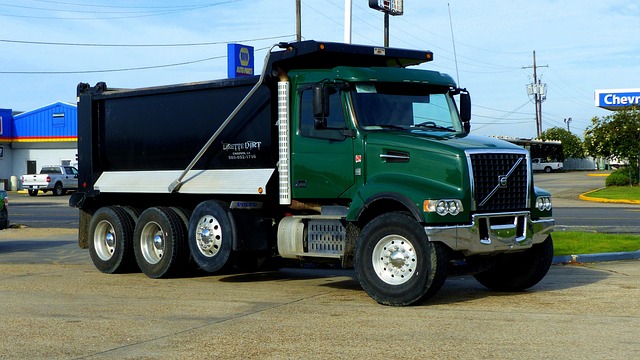
Successful Queens Commercial Building Construction relies on thorough site assessments, efficient logistics planning, and strategic waste management with Queens Commercial Building Construction Dumpsters. Key insights include:
1. Soil analysis and environmental impact studies are crucial for foundation design and regulatory compliance.
2. Strategic dumpster placement streamlines timelines, reduces costs, enhances safety, and minimizes construction waste (up to 30% lower diversion rates).
3. Customized dumpster size and positioning based on project phases lead to sustainable practices and significant cost savings.
4. Efficient construction waste management through specialized dumpsters and technology reduces project costs by up to 50%, according to EPA research.
5. Regular quality control inspections, on-site compacting, and sorting enhance sustainability and ensure regulatory compliance in space-constrained Queens.
In the realm of Queens Commercial Building Construction, proper site preparation is not merely an option—it’s a cornerstone of successful, durable construction. Unforeseen challenges like underground utilities, soil conditions, and debris management can stall projects or compromise quality if not addressed proactively. Specifically, the strategic placement of Queens Commercial Building Construction Dumpsters plays a pivotal role in streamlining operations, enhancing safety, and minimizing environmental impact. This article delves into the intricacies of site preparation, offering insights to ensure your project proceeds smoothly, efficiently, and with minimal hassle.
- Assessing Site Conditions for Perfect Preparation
- Strategizing Dumpster Placement for Efficient Construction
- Ensuring Quality Control for Optimal Building Outcomes in Queens
Assessing Site Conditions for Perfect Preparation

Assessing site conditions is a critical step in ensuring perfect preparation for any construction project, including Queens Commercial Building Construction. This meticulous process involves evaluating various factors unique to each site, from soil composition and topography to existing infrastructure and environmental considerations. For instance, a site might require specialized dumping services, such as Queens Commercial Building Construction Dumpsters, to manage the volume of debris generated during renovation or new construction projects.
Soil analysis is a key component of this assessment. Different soil types have varying load-bearing capacities, water retention properties, and potential settlement issues. Understanding these characteristics is essential for designing foundations that can withstand the test of time. Additionally, assessing site accessibility and proximity to utilities is vital for planning efficient logistics and minimizing disruptions during construction. For instance, a remote site with limited access might necessitate more robust temporary road systems or specialized heavy equipment for debris removal, including dumpster services tailored to handle larger volumes.
Environmental impact studies are another crucial aspect, especially in urban areas where sites may be subject to stringent regulations. Assessing potential contamination, identifying vulnerable ecosystems, and understanding local wildlife habitats can help avoid costly delays and legal complications. For instance, a site with historical industrial use might require extensive soil remediation before construction begins, and proper management of waste generated during this process, including the strategic placement of Dumpsters for hazardous materials, is paramount to adhering to environmental guidelines.
Strategizing Dumpster Placement for Efficient Construction

Strategizing Dumpster placement is a critical yet often overlooked aspect of Queens Commercial Building Construction. Efficient dumpster management can significantly impact project timelines, costs, and overall site safety. Properly positioned dumpsters facilitate seamless material removal, enabling workers to focus on construction tasks without navigation obstacles. For instance, in tight urban spaces like Queens, where commercial buildings often share limited parking areas, strategic dumpster placement can prevent delays caused by material backlog and potential traffic disruptions.
Expert contractors recommend assessing site layout, project phase, and anticipated waste volume when selecting dumpster locations. Dumpsters should be placed near construction activity to minimize haulage distance, reducing labor costs and environmental impact. As a rule of thumb, position dumpsters on flat, stable ground, ensuring easy access for both loading and unloading. In Queens, where commercial projects can vary widely from mid-rise buildings to large-scale developments, customizing dumpster size and placement plans according to each project’s unique needs is essential.
Data supports the significance of strategic dumpster management. Studies show that well-planned disposal logistics can reduce construction waste diversion rates by 20-30%, leading to substantial cost savings for contractors. Additionally, efficient dumpster utilization contributes to improved site aesthetics and air quality by minimizing debris accumulation and odors associated with open piles. Queens commercial builders who prioritize strategic dumpster placement not only streamline their operations but also set a benchmark for sustainable and responsible construction practices.
Ensuring Quality Control for Optimal Building Outcomes in Queens

In the competitive landscape of Queens Commercial Building Construction, ensuring quality control (QC) from the outset is paramount to achieving optimal building outcomes. QC not only safeguards against costly mistakes but also ensures structures meet safety standards and regulatory requirements, enhancing long-term property value. One critical aspect often overlooked is the management of construction waste, particularly through the strategic placement and efficient utilization of Queens Commercial Building Construction Dumpsters. For instance, a study by the U.S. Environmental Protection Agency found that proper waste management can reduce construction project costs by up to 50% due to reduced labor and disposal fees.
Implementing robust QC measures involves regular inspections at every stage of construction, from site preparation to final finishing. In Queens, where space is a premium, meticulous planning and execution are essential to prevent delays caused by waste accumulation. For example, contractors should employ specialized Dumpsters designed for compacting and sorting materials on-site, facilitating easier material handling and reducing the need for frequent truck trips to landfills or recycling centers. This not only minimizes disruption to surrounding communities but also contributes to a more sustainable construction process.
Furthermore, integrating technology into QC processes can significantly enhance accuracy and efficiency. GPS tracking, digital inventory management systems, and real-time data analytics enable contractors to monitor material usage, identify waste hotspots, and optimize the placement of Queens Commercial Building Construction Dumpsters. By embracing these innovations, builders can achieve higher levels of quality control, ensuring that every aspect of construction—from foundation laying to roof installation—meets or exceeds industry standards. This holistic approach ultimately translates into better buildings, increased client satisfaction, and sustained success in the competitive Queens market.
Quality site preparation is paramount for successful Queens Commercial Building Construction Dumpsters. By thoroughly assessing site conditions, strategically placing dumpsters to optimize workflow, and enforcing rigorous quality control measures, builders can achieve optimal results. This comprehensive approach ensures a solid foundation, efficient operations, and ultimately, the delivery of top-quality structures that stand the test of time in New York’s vibrant construction landscape.