

Queens Commercial Building Construction Dumpsters are crucial for effective waste management in urban areas like Queens. Source separation at the dumpsters' multiple compartments promotes recycling and diversion, reducing environmental impact. Strategic planning, communication, and eco-friendly practices optimize logistics and compliance. Advanced technologies, including sensors, automation, and sorting innovations, enhance efficiency, minimize costs, and foster a circular economy by maximizing resource recovery from construction waste. These integrated solutions contribute to cleaner urban environments.
Waste management is a pressing global challenge, particularly in urban centers like Queens, where commercial building construction projects generate significant volumes of debris. The sheer amount of waste from construction sites can overwhelm local disposal facilities, leading to environmental pollution and health risks. This complex issue demands innovative solutions, especially when considering the bustling nature of Queens’ commercial landscape.
This article explores cutting-edge waste management strategies, with a particular focus on how Queens Commercial Building Construction Dumpsters can play a pivotal role in mitigating these challenges. We delve into effective methods to reduce, reuse, and recycle construction waste, offering valuable insights for professionals and contributing to a more sustainable urban future.
- Understanding Waste Management: The Basics Unveiled
- Queens Commercial Building Construction: Dumpster Integration Strategies
- Efficient Collection: Best Practices for Daily Operations
- Recycling and Diversion: Reducing Environmental Impact
- Future-Proof Solutions: Innovative Technologies in Waste Management
Understanding Waste Management: The Basics Unveiled

Waste management is a complex and critical aspect of modern urban life, with significant environmental, economic, and social implications. Understanding its basics is crucial for both individuals and businesses to contribute effectively towards a sustainable future. Queens Commercial Building Construction Dumpsters play a pivotal role in this process, offering efficient solutions for waste disposal and recycling.
At the heart of effective waste management lies segregation at the source. This involves separating different types of waste, such as organic matter, recyclables (paper, plastic, glass, metal), and non-recyclable materials. For instance, businesses in Queens can utilize dedicated construction dumpster services to collect and categorize these wastes. Organic waste, for example, can be collected separately and converted into compost, reducing the reliance on landfill spaces. According to a recent study, proper segregation at the source can divert over 50% of municipal solid waste from landfills, highlighting its potential impact.
Queens Commercial Building Construction Dumpsters provide an infrastructure backbone for this system. They are designed to accommodate various types of waste and are often equipped with specific compartments for easy sorting. For businesses, adopting a waste management strategy that includes regular dumpster services can lead to numerous benefits. It not only ensures compliance with local regulations but also fosters a culture of sustainability within the organization. By implementing simple measures like proper labeling, training employees, and promoting a ‘reduce, reuse, recycle’ mindset, companies can significantly minimize their environmental footprint.
Queens Commercial Building Construction: Dumpster Integration Strategies
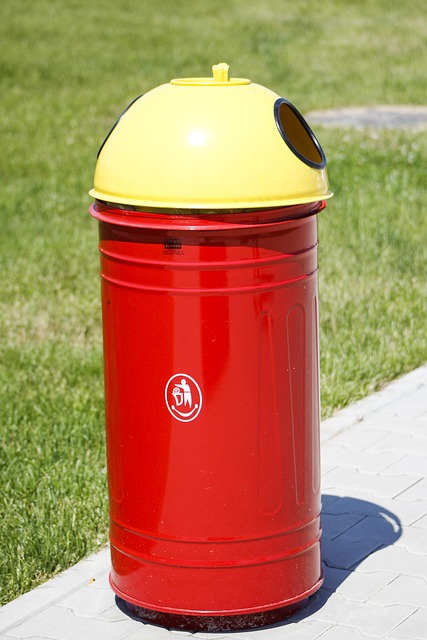
In the realm of Queens Commercial Building Construction, efficient waste management is not just an environmental imperative but a logistical necessity. One integral component of this process are dumpsters, strategically integrated to streamline debris removal and construction site management. The optimal placement and utilization of Queens Commercial Building Construction Dumpsters can significantly enhance site efficiency, reduce disruption to surrounding areas, and contribute to overall project sustainability.
For instance, in dense urban settings like Queens, where space is limited, vertical and compact dumpster designs can maximize available area without encroaching on pedestrian or vehicle access. Moreover, regular scheduling of waste pickup and recycling services ensures that dumpsters remain full, minimizing the need for frequent transport, thereby reducing noise pollution and traffic congestion. According to a study by the New York City Department of Sanitation, proper dumpster management can cut down construction site traffic by up to 30%, enhancing safety and expediting project timelines.
Implementing effective Queens Commercial Building Construction Dumpster integration strategies requires careful planning and collaboration between contractors, architects, and waste management providers. Site assessments should consider both the volume of generated waste and accessibility constraints. Using data from past projects to predict debris output can help in selecting the right dumpster size, minimizing over or under-capacity scenarios. Regular communication channels between all stakeholders ensure timely emptying and replacement, preventing site delays and potential health hazards associated with overflowing dumpsters.
Additionally, exploring eco-friendly waste diversion methods, like recycling and composting, further enhances the sustainability profile of Queens Commercial Building Construction projects. By integrating these strategies, construction teams can meet environmental regulations, contribute to a circular economy, and even achieve cost savings through reduced disposal fees. For instance, according to the U.S. Environmental Protection Agency, proper recycling programs can divert over 75% of construction waste from landfills, showcasing the significant impact of well-managed dumpster integration.
Efficient Collection: Best Practices for Daily Operations
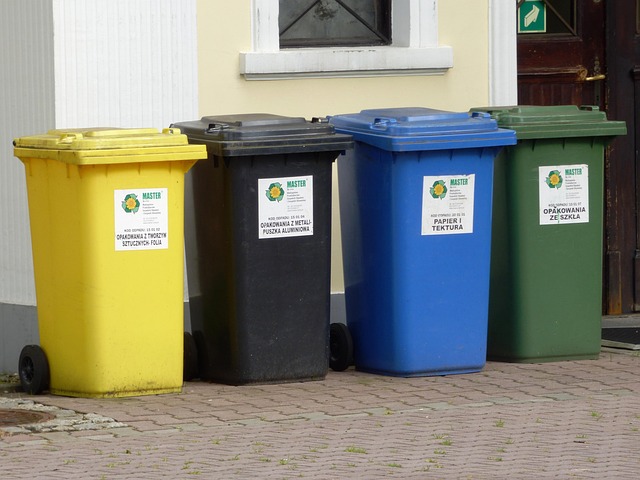
Efficient waste collection is a cornerstone of successful waste management, especially within urban centers like Queens, where Commercial Building Construction Dumpsters play a vital role. The daily operations surrounding these dumpsters can significantly impact the overall sustainability and cleanliness of the environment. One of the key practices to enhance efficiency involves implementing structured collection schedules tailored to each area’s unique needs. For instance, high-traffic zones might require multiple daily collections, while less congested regions could manage with fewer visits, optimizing route planning and reducing operational costs.
Additionally, the use of advanced technology enhances collection effectiveness. GPS tracking on waste vehicles allows for real-time monitoring of collection progress, enabling swift adjustments to schedules and routes. This technology also aids in performance evaluation, identifying inefficient practices, and ensuring accountability among service providers. For example, data from GPS tracking can reveal that a particular route takes longer than expected, prompting an investigation into potential bottlenecks or inefficiencies.
Another best practice is the adoption of smart waste management systems, which include sensors in dumpsters to monitor fill levels. This technology triggers automatic collections when containers reach a predetermined threshold, minimizing overfull dumpsters and optimizing collection frequency. Queens Commercial Building Construction Dumpsters equipped with these sensors can significantly reduce unnecessary trips, leading to cost savings and environmental benefits. By implementing such practices, waste management authorities can strive for a cleaner, more sustainable urban landscape.
Recycling and Diversion: Reducing Environmental Impact

Recycling and Diversion play a pivotal role in mitigating the environmental impact of waste management, particularly within urban centers like Queens, where Commercial Building Construction Dumpsters are prevalent. The primary objective is to reduce the amount of waste sent to landfills by encouraging the reuse and repurposing of materials. One effective strategy involves separating recyclables from non-recyclables at the source, ensuring materials like paper, plastic, glass, and metal are appropriately processed. For instance, in New York City, a well-structured recycling program has led to significant increases in recycling rates, diverting tons of waste annually from landfills.
Implementing robust diversion practices requires a multi-faceted approach. Businesses and residents can contribute by adopting simple yet powerful habits, such as using reusable bags, reducing single-use items, and participating in local recycling initiatives. For commercial properties, incorporating dedicated collection points for recyclables and organics can significantly enhance overall sustainability efforts. Queens Commercial Building Construction Dumpsters can be strategically placed to accommodate these practices, facilitating easier access and participation. By fostering a culture of responsible waste disposal, communities can minimize the ecological footprint associated with construction projects and promote a circular economy.
Expert recommendations emphasize the need for comprehensive education and awareness campaigns to drive behavioral changes. Local authorities and waste management companies should collaborate to provide clear guidelines and regular updates on recycling procedures. Additionally, technological advancements in sorting technologies offer promising solutions for improving diversion rates. For example, automated sorting machines can identify and separate materials with high accuracy, reducing manual labor requirements and increasing overall efficiency. Integrating such innovations into municipal waste management systems could be a game-changer in the quest to minimize environmental impact.
Future-Proof Solutions: Innovative Technologies in Waste Management

The future of waste management is here, with innovative technologies leading the charge to create more sustainable and efficient practices. As global awareness of environmental issues continues to grow, so does the demand for advanced solutions that can keep pace with our ever-changing urban landscapes. In this context, Queens Commercial Building Construction Dumpsters play a pivotal role in facilitating the adoption of cutting-edge waste management strategies.
One such strategy involves the implementation of smart waste sensors and data analytics. These technologies enable real-time monitoring of fill levels and refuse types, optimizing collection routes and reducing empty container journeys. For instance, cities like Singapore have already deployed smart bins that communicate with centralized systems, allowing for efficient waste collection planning. Similarly, advanced sorting technologies using computer vision and robotic arms can automate the separation of recyclables from general waste, increasing recycling rates significantly.
Furthermore, the circular economy model is inspiring innovative waste-to-resource solutions. Waste management companies are now exploring methods to recycle, reuse, or repurpose various materials, including plastics, metals, and organics. For example, organic waste can be transformed into renewable energy through anaerobic digestion, while construction debris from Queens Commercial Building Construction sites can be recycled into new building materials, reducing the demand for virgin resources. As these technologies mature, they offer a promising path toward a more sustainable future, where waste is no longer seen as a problem but as a valuable resource waiting to be reclaimed and repurposed.
By exploring fundamental waste management principles, Queens Commercial Building Construction Dumpster integration strategies, efficient collection practices, recycling techniques aimed at reducing environmental impact, and futuristic technologies, this article has equipped readers with a comprehensive toolkit to address waste-related challenges effectively. Key takeaways include the importance of tailored dumpster selection for construction sites, streamlining daily collection routines, maximizing recycling efforts, and embracing innovative solutions like smart waste management systems. Moving forward, adopting these best practices will not only contribute to environmental sustainability but also enhance operational efficiency in Queens Commercial Building Construction projects, solidifying the article’s position as an authoritative guide.