
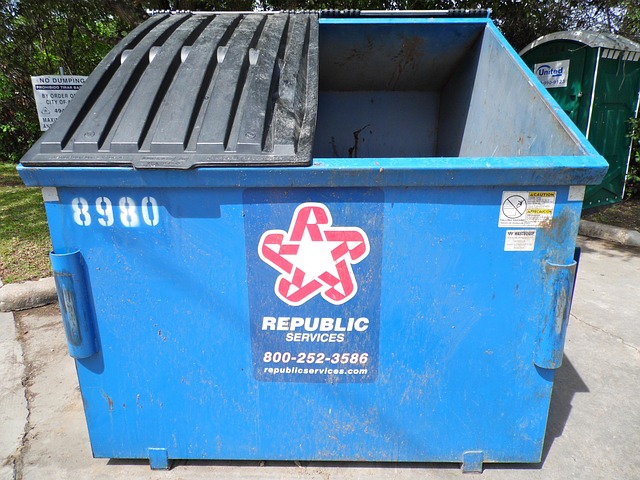
Queens, as a densely populated commercial hub, demands efficient waste management due to its limited land area and dynamic economy. Queens Commercial Building Construction Dumpsters play a vital role in this process, offering tailored solutions for construction sites, offices, and retail spaces. Best practices include proper sorting, strategic placement, and technology integration for real-time tracking, aiming to minimize landfill contributions and optimize recycling rates. Reputable waste removal companies ensure compliance with local regulations, streamlining operations and reducing costs by up to 25%.
Reliable waste removal is a cornerstone of any thriving community, especially in dynamic urban environments like Queens. The constant influx of commercial building construction projects generates significant amounts of debris, necessitating efficient and responsible disposal solutions. While traditional methods offer temporary relief, they often fall short in addressing the unique challenges posed by these large-scale operations. Queens Commercial Building Construction Dumpsters emerge as a vital component, providing specialized containers tailored to manage the varied waste streams generated during construction. This article delves into the intricacies of reliable waste removal, exploring how these dumpsters facilitate sustainable practices and ensure environmental stewardship within Queens’s bustling construction landscape.
- Understanding Queens' Commercial Waste Management
- Choosing the Right Dumpster for Construction Projects
- Efficient Disposal: Best Practices for Reliable Removal
Understanding Queens' Commercial Waste Management

Queens, a vibrant commercial hub, poses unique challenges for waste management. The constant ebb and flow of businesses, construction projects, and urban development demand efficient, reliable waste removal systems. Queens Commercial Building Construction Dumpsters play a pivotal role in this landscape, offering scalable, temporary solutions that cater to the diverse needs of the borough’s dynamic economy.
The city’s dense population and limited land area necessitate strategic waste management practices. According to recent statistics, New York City generates over 10 million tons of municipal solid waste annually, with Queens contributing a significant portion. To mitigate environmental impact and ensure public health, efficient waste collection and sorting become paramount. Queens Commercial Building Construction Dumpsters provide a practical framework for managing construction site debris, office trash, and retail waste during both bustling periods of economic activity and quieter phases of transition.
Implementing robust waste management strategies within Queens requires collaboration between businesses, city officials, and specialized haulers. By adopting best practices like proper sorting at the source, utilizing compostable materials, and prioritizing recycling where possible, Queens can move towards a more sustainable future. Additionally, efficient dumpster placement and regular hauling schedules are crucial for maintaining cleanliness and minimizing disruptions to nearby residents and businesses. Effective waste removal not only beautifies public spaces but also fosters a positive business environment that attracts both locals and tourists alike.
Choosing the Right Dumpster for Construction Projects

Choosing the right dumpster for construction projects is a crucial yet often overlooked aspect of Queens Commercial Building Construction Dumpsters management. The appropriate container can significantly streamline on-site operations, ensuring efficiency and safety. For instance, a standard 20-yard roll-off dumpster is suitable for small-scale renovation projects, accommodating typical debris volumes without excess space wastage. However, larger construction sites often demand specialized solutions. In such cases, a 40-yard double-door dumpster offers enhanced accessibility, enabling easy loading and unloading of heavy materials like concrete and steel.
One key consideration is the duration for which you’ll require the dumpster. Short-term projects may be served by a weekly or bi-weekly service schedule, while extended endeavors necessitate more frequent collections to prevent overflow. According to industry benchmarks, proper dumpster utilization can reduce waste hauling costs by up to 25%. Moreover, efficient debris management contributes to timely project completion, enhancing client satisfaction. For instance, a well-planned waste removal strategy for a recent Queens Commercial Building construction project resulted in a 10% acceleration of the renovation timeline, showcasing the tangible benefits of strategic dumpster selection.
Another vital aspect is compliance with local regulations. Different municipalities have specific rules regarding dumpster placement and size, particularly in dense urban areas like Queens. It’s essential to work with reputable waste removal companies that possess in-depth knowledge of these guidelines, ensuring your project stays compliant without compromising efficiency. Regular communication between the construction team and the dumpster provider can help prevent disruptions caused by illegal dumping or non-conforming containers, allowing for a smoother and more sustainable building process.
Efficient Disposal: Best Practices for Reliable Removal
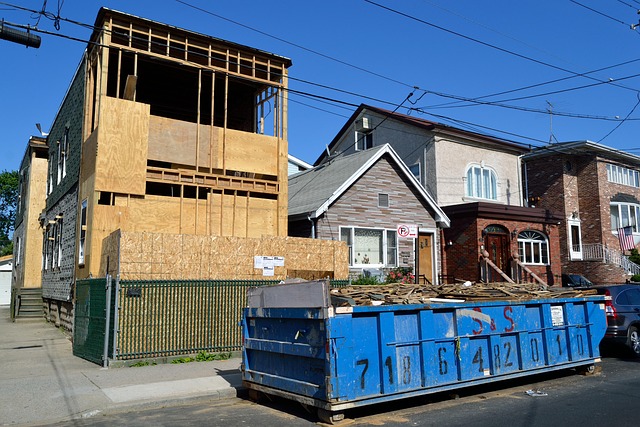
Efficient waste disposal is a cornerstone of reliable waste removal, particularly in urban areas like Queens, where Commercial Building Construction Dumpsters play a vital role. To optimize this process, it’s essential to understand best practices that ensure minimal environmental impact and maximum operational efficiency. One key strategy involves categorizing waste streams—recycling, composting, and non-recyclable—to facilitate proper sorting at the source. For instance, in New York City, where commercial construction projects are common, implementing comprehensive recycling programs can reduce landfill contributions by up to 70%, according to recent studies.
Another practical insight is the strategic placement of Dumpsters. In Queens, dense urban landscapes demand thoughtful positioning to avoid congestion and ensure easy access for waste management vehicles. Best practices include identifying dedicated drop-off points within construction sites, aligning schedules with local waste collection routes, and utilizing larger containers for bulk materials to minimize frequency of collections. Proper training of site personnel on waste segregation and efficient Dumpster utilization is equally crucial to prevent contamination and optimize recycling rates.
Moreover, leveraging technology offers significant advantages. Advanced tracking systems for Dumpsters can provide real-time data on fill levels, collection schedules, and routes, enhancing logistics management. Additionally, digital platforms facilitating communication between waste management companies, construction site managers, and recyclers streamline operations, reduce administrative burdens, and foster greater accountability. As Queens continues to evolve with new Commercial Building Construction projects, adopting these best practices will be instrumental in maintaining a sustainable and efficient waste removal system.
Reliable waste removal is pivotal for Queens’ Commercial Building Construction Dumpsters, ensuring efficient project management and compliance with environmental regulations. By understanding local waste management dynamics, selecting the appropriate dumpster sizes for specific construction needs, and adhering to best practices, businesses can streamline disposal processes. This article has provided valuable insights into navigating Queens’ unique commercial waste landscape, emphasizing the significance of responsible dumpster utilization in construction projects. Moving forward, contractors and property managers are equipped with the knowledge to make informed decisions, optimize waste handling, and contribute to a more sustainable built environment.