

Queens Commercial Building Construction Dumpsters are crucial for sustainable waste management in urban areas, reducing landfill waste and carbon emissions. Best practices include strategic placement, sorting, pre-planning, and collaboration for optimal benefits—potentially cutting construction site waste by 30-50%. Embracing circular economy models, smart technologies, green architecture, and on-site composting initiatives further enhance environmental impact and foster innovation in commercial spaces.
In today’s world, efficient waste management is not just an environmental imperative but a cornerstone of sustainable urban development. As metropolises expand, the challenge of managing commercial building construction debris becomes increasingly complex. The sights and sounds of bustling Queens, New York, reflect its vibrant construction landscape, yet navigating responsible waste disposal remains a labyrinthine task for contractors and property managers. This article delves into innovative solutions, focusing on how Queens Commercial Building Construction Dumpsters can be strategically employed to mitigate environmental impact and streamline debris management, fostering a greener future for our urban environments.
- Understanding Queens Commercial Building Construction Dumpsters: A Foundation for Effective Waste Management
- Implementing Sustainable Solutions: Strategies for Efficient Waste Disposal in Commercial Spaces
Understanding Queens Commercial Building Construction Dumpsters: A Foundation for Effective Waste Management

Queens Commercial Building Construction Dumpsters serve as a cornerstone for effective waste management strategies within urban environments. These specialized containers, designed to accommodate the unique demands of construction projects, play a pivotal role in minimizing environmental impact and maximizing resource recovery. In densely populated areas like Queens, where commercial development is robust, efficient dumpster utilization can significantly reduce the strain on local waste management systems.
The strategic placement of Queens Commercial Building Construction Dumpsters at active construction sites facilitates seamless collection of diverse waste streams, including building materials, debris, and reusable components. For instance, a comprehensive recycling program integrated with these dumpsters can divert substantial amounts of concrete, wood, and metal from landfills, thereby lowering carbon emissions associated with waste disposal. Recent studies indicate that proper dumpster management can lead to a 30-50% reduction in construction site waste sent to dumpsites, translating into considerable environmental and economic savings.
Implementing best practices for Queens Commercial Building Construction Dumpster usage requires collaboration between contractors, city officials, and waste management companies. Key considerations include ensuring adequate dumpster capacity for peak project phases, regular emptying to prevent overflow, and proper sorting of materials for recycling or reuse. Additionally, engaging in pre-project planning to identify potential waste reduction strategies, such as using recycled building materials, can further enhance the sustainability benefits associated with these dumpsters.
Implementing Sustainable Solutions: Strategies for Efficient Waste Disposal in Commercial Spaces
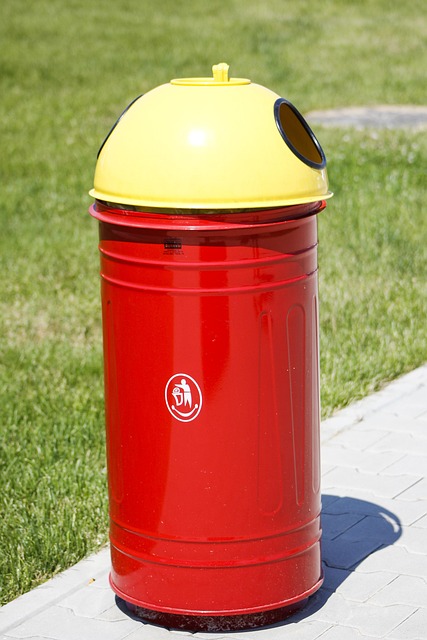
Implementing sustainable waste management solutions is not just an environmental imperative but also a strategic necessity for commercial spaces. Queens Commercial Building Construction Dumpsters play a pivotal role in this transition, offering efficient and eco-friendly disposal options that can significantly reduce a building’s carbon footprint. One of the primary strategies involves adopting a circular economy model, where waste is minimized through recycling, reuse, and repurposing. For instance, implementing comprehensive recycling programs, including electronic waste and construction materials recycling, has been shown to divert substantial amounts of material from landfills in urban centers like Queens.
Commercial spaces can further optimize their waste management by integrating smart technologies and data analytics. Smart sensors and IoT devices can monitor waste levels in real-time, enabling more precise scheduling for dumpster collections. This not only reduces operational costs but also minimizes the environmental impact associated with frequent vehicle movements. A case study from a major commercial hub in Queens demonstrated that adopting such technology led to a 20% reduction in overall transportation-related emissions within the first year.
Moreover, designing buildings with waste management in mind from the outset can yield substantial long-term benefits. Green architecture principles, such as incorporating compostable materials and efficient plumbing systems, can significantly decrease the volume of waste generated. Queens Commercial Building Construction Dumpsters tailored to these sustainable practices are designed with compact sizes that fit seamlessly into building layouts while accommodating organic waste streams through on-site composting initiatives. By embracing these strategies, commercial spaces not only contribute to a cleaner environment but also foster a culture of responsibility and innovation among tenants and staff.
By understanding the role of Queens Commercial Building Construction Dumpsters as a foundational element for effective waste management, businesses can implement sustainable strategies tailored to their commercial spaces. The article has highlighted the importance of efficient waste disposal methods, offering practical insights into navigating the complexities of waste management. Key takeaways include adopting eco-friendly practices, optimizing recycling programs, and utilizing innovative technologies to minimize environmental impact.
Moving forward, businesses should consider a holistic approach, integrating these sustainable solutions into their operations. This includes regular training for staff, promoting awareness among occupants, and collaborating with local waste management authorities. By embracing these practical next steps, commercial spaces can significantly contribute to a greener future while ensuring compliance and enhancing their environmental responsibility.