
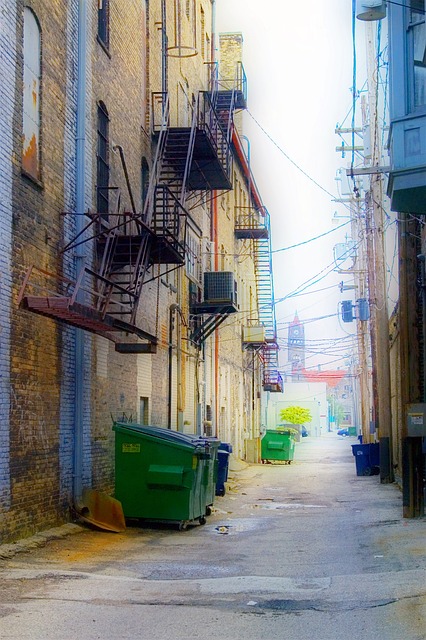
Selecting building materials for Queens Commercial Building Construction Dumpsters requires a balance of structural integrity, aesthetics, sustainability, local regulations, cost-effectiveness, and environmental impact. Eco-friendly options, including biodegradable materials and recycling programs, minimize landfill waste (40%) and offer economic benefits. Effective integration demands training, understanding local infrastructure, regular audits, and performance evaluations for minimal environmental harm and long-term sustainability.
Building materials selection is a critical phase in commercial construction, profoundly impacting project timelines, budgets, and long-term performance. Queens Commercial Building Construction Dumpsters often serve as a central hub during this process, facilitating efficient material storage and waste management. However, navigating the vast array of options—from traditional concrete and steel to innovative eco-friendly alternatives—can pose challenges. This article delves into the strategic considerations behind material selection, offering insights that help professionals make informed decisions, ensuring both structural integrity and operational efficiency in Queens’ vibrant construction landscape.
- Understanding Factors for Queens Commercial Building Construction Dumpsters Selection
- Implementing Eco-Friendly Options in Commercial Construction with Dumpster Management
Understanding Factors for Queens Commercial Building Construction Dumpsters Selection

Selecting appropriate building materials is a critical aspect of Queens Commercial Building Construction Dumpsters, ensuring structural integrity, aesthetics, and long-term sustainability. In this context, understanding the multifaceted factors involved in choosing dumpsters is paramount for project success. One key consideration is site accessibility, as different dumpster sizes and types have varying requirements for delivery and placement, especially in urban settings like Queens. For instance, compact roll-off dumpsters might be ideal for tight spaces, while larger containers are suitable for open construction sites, each presenting unique logistical challenges.
Environmental impact is another crucial factor. Eco-friendly materials and recyclable content should be prioritized to minimize the environmental footprint of the building process. Moreover, local building codes and regulations play a significant role in material selection, dictating specific standards for safety, durability, and waste management practices associated with Queens Commercial Building Construction Dumpsters. Compliance with these guidelines not only ensures legal adherence but also contributes to the overall quality and longevity of the construction project.
Cost-effectiveness is equally vital, balancing the financial impact with long-term benefits. While high-end materials may offer superior performance, budget considerations and life cycle costing analyses should guide decisions to avoid unnecessary expenses. For instance, choosing durable yet cost-efficient insulation or selecting energy-efficient windows that meet project specifications without exceeding the allocated budget can significantly impact overall construction costs. Therefore, a comprehensive evaluation of material options, considering both immediate needs and future sustainability goals, is essential for informed decision-making in Queens Commercial Building Construction Dumpsters projects.
Implementing Eco-Friendly Options in Commercial Construction with Dumpster Management

In today’s rapidly evolving construction industry, particularly within Queens Commercial Building Construction, the integration of eco-friendly building materials is not merely a trend but an imperative. One significant aspect often overlooked yet critically important to achieving sustainable construction goals is effective dumpster management. Dumpsters naturally play a pivotal role in commercial construction projects, serving as repositories for a myriad of waste products. However, their environmental impact can be mitigated through the strategic implementation of eco-friendly options.
For instance, traditional dumpsters contribute to significant carbon emissions and pollution due to frequent transportation and disposal processes. To counter this, introducing biodegradable or compostable materials where feasible offers substantial advantages. Bio-based dumpsters, for example, decompose naturally over time, reducing landfill waste and associated environmental harm. Moreover, integrating recycling programs in dumpster management encourages the segregation of recyclable materials from the get-go, enhancing overall efficiency and minimizing environmental footprint. Queens Commercial Building Construction Dumpsters can thus be instrumental in fostering a culture of sustainability.
Data supports the urgency of this shift: according to recent studies, construction waste accounts for approximately 40% of total municipal solid waste generated globally. This staggering figure underscores the importance of adopting greener practices. Implementing eco-friendly dumpster management strategies not only reduces the environmental impact but also offers economic benefits in the long run. For instance, recycling and reusing materials can decrease project costs by cutting down on new material procurement. Furthermore, leveraging innovative technologies like automated sorting systems for recyclables streamlines processes, making construction sites safer and more efficient.
To ensure the successful integration of eco-friendly options in Queens Commercial Building Construction Dumpsters, project managers should prioritize education and training for site personnel. This includes understanding the local recycling infrastructure and proper handling procedures for different types of waste. Regular audits and performance evaluations can also help monitor progress and identify areas for improvement. By embracing these practices, construction projects can minimize their environmental impact while contributing to a more sustainable future.
In navigating Queens Commercial Building Construction Dumpsters selection, this article has highlighted the multifaceted considerations crucial for both environmental sustainability and efficient project management. By understanding the factors influencing dumpster choices, from waste management to material eco-friendliness, stakeholders can make informed decisions that contribute to a greener construction landscape. Key insights underscore the importance of adopting eco-friendly dumpsters as a game-changer in commercial construction, fostering a balanced approach that blends productivity with environmental stewardship. Moving forward, integrating these learnings into project planning will not only enhance the authority and responsibility of construction practices but also leave a positive, indelible testament to sustainable development in Queens.