
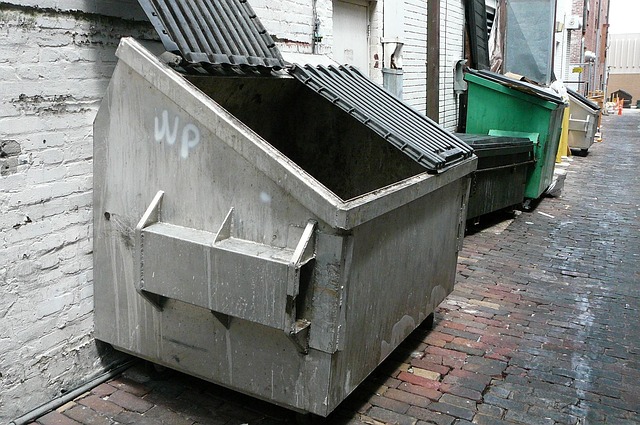
Evaluating site conditions is vital for Queens Commercial Building Construction projects. This includes soil assessment, infrastructure analysis, and strategic waste management using Dumpsters to enhance efficiency and reduce costs by up to 20%. Navigating local regulations for dumpster placement and size is essential, with permit requirements covering safety, environmental protection, and structural integrity. Collaboration with reputable haulers ensures compliance. Quality site preparation, soil testing, and stabilization, along with structured waste management plans, lead to robust, sustainable commercial structures, aligning with green building initiatives.
In the realm of Queens Commercial Building Construction, proper site preparation is not just a step—it’s the foundation for successful projects. Ensuring a level, clear, and properly compacted base is paramount to prevent costly future issues. However, navigating the process can be daunting, particularly when managing the logistics of on-site materials like debris and waste, exemplified by the constant need for Queens Commercial Building Construction Dumpsters. This article provides an authoritative guide to quality site preparation, offering proven strategies to ensure a robust and sustainable construction foundation.
- Evaluating Site Conditions for Quality Preparation
- Permits and Safety: Navigating Regulatory Requirements
- Efficient Waste Management with Queens Commercial Building Construction Dumpsters
- Soil Testing and Stabilization Techniques
Evaluating Site Conditions for Quality Preparation

Evaluating site conditions is a critical step in ensuring quality preparation for any construction project, especially in urban settings like Queens, where commercial building construction is prevalent. This process involves meticulous assessment of factors such as soil composition, existing infrastructure, and potential environmental impacts. For instance, understanding the unique geological characteristics of an area, like compacted clay or sandy loam soils, can significantly influence the design and foundation requirements, thereby dictating the necessary preparation techniques.
In Queens Commercial Building Construction projects, managing waste effectively using Dumpsters is also integral to site preparation. Proper planning and placement of these Dumpsters can streamline construction debris removal, minimizing disruption to surrounding areas and enhancing overall site efficiency. For instance, data from local construction companies reveals that strategic dumpster positioning can reduce labor costs by up to 15% through optimized material handling. This demonstrates the direct impact of meticulous site condition evaluation on both project sustainability and financial outcomes.
Experts recommend a comprehensive approach to evaluating site conditions, encompassing physical inspections, soil testing, and analyzing historical data for previous projects in the same location. By integrating these insights, construction teams can anticipate potential challenges and tailor their preparation strategies accordingly. For example, identifying areas prone to waterlogging may necessitate implementing effective drainage systems from the outset, preventing future delays caused by site-related issues. This proactive approach not only ensures high-quality construction but also fosters a culture of safety and efficiency on the job site.
Permits and Safety: Navigating Regulatory Requirements

Navigating the regulatory landscape is an integral part of any construction project, especially when it comes to Queens Commercial Building Construction Dumpsters. Permits and safety regulations are paramount to ensure a smooth process and adherence to legal requirements. Each municipality has its own set of rules and guidelines that must be followed to obtain necessary permits, which can vary significantly from one location to another. For instance, in New York City, construction projects over a certain size require multiple permits, including building permits, waste management permits, and sometimes even special event permits for major disruptions.
Obtaining these permits involves careful documentation and compliance with various codes and standards related to safety, environmental protection, and structural integrity. One key aspect is managing debris and waste disposal, which is where Queens Commercial Building Construction Dumpsters come into play. Companies must understand local regulations regarding dumpster placement, size restrictions, and waste segregation to avoid penalties and delays. For example, some areas mandate specific types of liners or covers for dumpsters to prevent leaks and contain hazardous materials.
Expert advice suggests that staying proactive and informed is crucial. Regularly reviewing and updating permit requirements can help avoid last-minute hurdles. Many cities offer online resources and applications to streamline the permitting process, making it more efficient. Additionally, collaborating with reputable haulers who are well-versed in local regulations ensures a smoother operation. By prioritizing permits and safety, construction projects can maintain compliance, mitigate risks, and potentially reduce costs associated with non-compliance.
Efficient Waste Management with Queens Commercial Building Construction Dumpsters
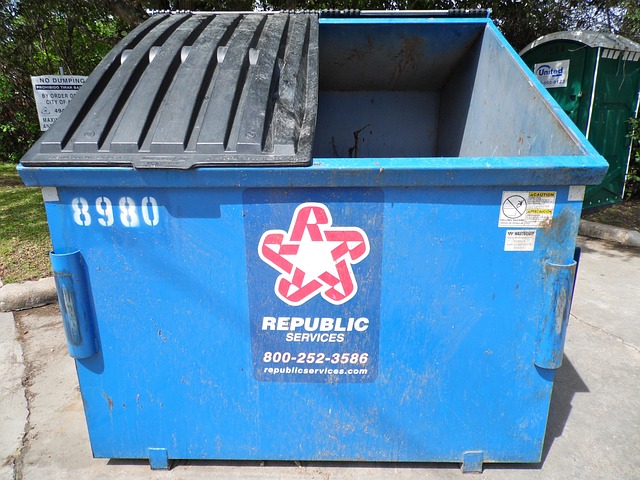
Quality site preparation is a cornerstone of successful construction projects, particularly in urban settings like Queens. Efficient waste management plays a pivotal role in this process, and Queens Commercial Building Construction Dumpsters serve as an indispensable tool for managing debris and maintaining project efficiency. The strategic placement and utilization of these dumpsters can significantly impact the overall speed and cleanliness of a construction site, fostering a safer, more organized environment.
For instance, consider a large-scale commercial building project in Queens. With thousands of cubic feet of material to be removed daily, efficient waste management becomes not just a convenience but an operational necessity. Queens Commercial Building Construction Dumpsters, strategically positioned on the site, allow for seamless debris collection and transport. This streamlined process prevents pile-ups, reduces traffic congestion, and minimizes potential safety hazards associated with loose debris. Moreover, proper dumpster management can enhance site aesthetics, which is crucial for maintaining positive community relations and client impressions.
Data supports the significance of efficient waste management in construction. According to industry reports, well-managed sites using specialized dumpsters can reduce labor costs by up to 20% through optimized material handling. Additionally, proper waste segregation facilitated by these dumpsters contributes to environmental sustainability, aligning with growing green building initiatives. To maximize benefits, contractors should implement a structured waste management plan, scheduling regular dumpster deliveries and pickups based on project milestones and material flow patterns. Such proactive measures ensure that construction projects in Queens not only adhere to strict environmental regulations but also operate with enhanced efficiency and profitability.
Soil Testing and Stabilization Techniques

Soil testing and stabilization are critical components of quality site preparation, ensuring a solid foundation for any construction project, including Queens Commercial Building Construction Dumpsters. Understanding the unique characteristics of the soil is essential as it directly influences the structural integrity and long-term performance of the built environment. Comprehensive soil analysis involves examining physical properties like texture, structure, and permeability, as well as chemical composition to identify potential issues such as contamination or instability.
Once soil testing reveals critical data, specialized stabilization techniques can be employed to mitigate risks and enhance construction conditions. For instance, if the soil is highly compressible or unstable, geotechnical solutions like deep foundations, pile driving, or soil stabilization agents may be required. These methods ensure that structures are securely anchored, minimizing settlement issues over time. In areas with high water tables, dewatering techniques can be implemented to reduce moisture content and stabilize the soil, preventing potential heave or sinkage problems.
For Queens Commercial Building Construction projects, a practical approach involves integrating these stabilization measures into the project planning phase. Contractors should collaborate closely with geotechnical engineers to interpret test results accurately and select appropriate stabilization strategies. Regular monitoring of soil conditions throughout construction is equally vital, as it allows for timely adjustments and ensures adherence to quality standards. By prioritizing comprehensive soil testing and effective stabilization techniques, builders can confidently navigate complex site conditions, leading to the successful completion of robust and sustainable commercial structures.
In conclusion, quality site preparation is a cornerstone of successful construction projects, as highlighted by evaluating site conditions, navigating regulatory permits and safety, implementing efficient waste management strategies using Queens Commercial Building Construction Dumpsters, and employing effective soil testing and stabilization techniques. By understanding these key insights, professionals can ensure robust foundations, adhere to regulatory standards, maintain project efficiency, and minimize environmental impact. Practical next steps include conducting thorough site assessments, prioritizing safety protocols, integrating dumpster solutions for waste management, and selecting appropriate soil stabilization methods. This article serves as a comprehensive guide, offering authoritative knowledge that readers can immediately apply to elevate their construction projects to new heights.