
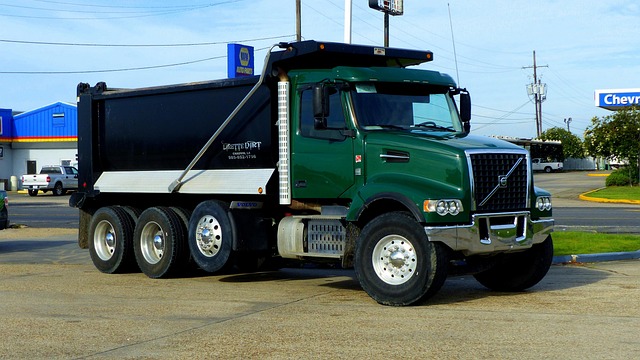
Queens Commercial Building Construction emphasizes high-quality materials for structural integrity, energy efficiency, and increased resale value. Using advanced concrete, insulation, and windows reduces heating/cooling costs while durable options like stainless steel minimize maintenance. Expert contractors prioritize quality over cost to prevent long-term issues. Eco-friendly materials, including biodegradable products and reusable Queens Commercial Building Construction Dumpsters, reduce environmental impact and are economically viable despite initial costs. Strict waste management practices, guided by New York City's guidelines, prevent site contamination and legal issues. High-grade materials like premium concrete and steel offer 20%+ long-term cost savings and enhance sustainability, making them valuable for urban developments.
In the realm of Queens Commercial Building Construction, ensuring high-quality construction materials is paramount for durable and safe structures. However, navigating the market to source reliable and eco-friendly options can be a daunting task, particularly when managing a project’s logistics, budget, and timeline. This article delves into the critical factors and innovative solutions that underpin the selection of top-tier construction materials, with a particular emphasis on Queens Commercial Building Construction Dumpsters as strategic tools for efficient waste management. By the end, professionals will be equipped to make informed decisions, fostering robust and sustainable building practices.
- Understanding the Role of Quality Materials in Construction
- Types and Sources of Superior Commercial Building Materials
- The Impact of Eco-Friendly Options on Queens' Construction Sites
- Ensuring Safety: Handling and Disposal with Dumpster Management
- Longevity and Cost-Effectiveness: Investing in High-Grade Components
Understanding the Role of Quality Materials in Construction

The quality of construction materials plays a pivotal role in the durability, safety, and overall success of any building project, especially in Queens Commercial Building Construction. Using high-grade materials not only ensures a structure’s longevity but also significantly impacts its energy efficiency, aesthetic appeal, and potential resale value. For instance, a study by the U.S. Department of Energy found that buildings constructed with superior materials and methods can save up to 50% on energy costs compared to those built with subpar alternatives.
In Queens, where commercial construction projects are diverse and demanding, understanding material quality is paramount. For example, when constructing a modern office building, utilizing high-performance concrete, advanced insulation, and energy-efficient windows can dramatically reduce heating and cooling expenses, contributing to a more sustainable and profitable facility. Moreover, choosing durable and resistant materials, like stainless steel and corrosion-free alloys, is crucial for withstanding the area’s unpredictable climate and ensuring minimal maintenance over the building’s lifespan.
Expert contractors emphasize that the selection process should go beyond cost. While budget is a critical factor, sacrificing quality can lead to long-term issues. Queens Commercial Building Construction Dumpsters are often a sight on-site, but they shouldn’t be a symbol of poor material choices. Instead, they should be seen as a temporary solution, with materials carefully sourced and tested to meet or exceed industry standards. By prioritizing quality, builders can avoid costly repairs and ensure the project’s longevity, creating a solid foundation for any commercial endeavor.
Types and Sources of Superior Commercial Building Materials
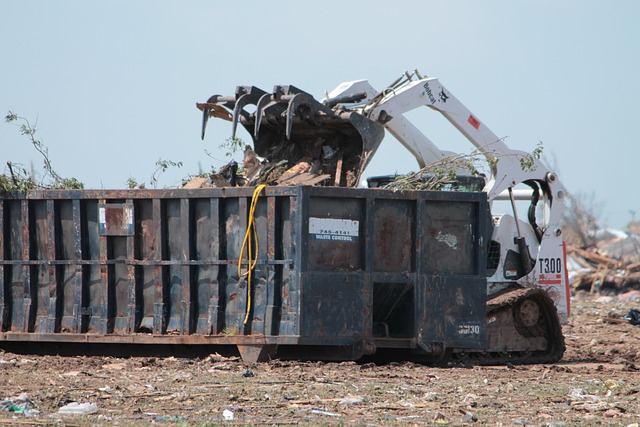
In the realm of commercial building construction, the quality of materials used is a cornerstone of durability, safety, and long-term cost-effectiveness. Superior commercial building materials come in various types, each offering unique advantages tailored to specific structural, aesthetic, or environmental considerations. Among these, high-performance concrete, advanced steel alloys, sustainable wood alternatives, and innovative composite materials stand out for their strength, longevity, and eco-friendliness.
Queens Commercial Building Construction Dumpsters serve as a tangible symbol of this industry’s evolving landscape. Traditionally seen as mere waste repositories, these dumpsters are increasingly becoming critical resources for material sorting and recycling. For instance, concrete from demolished structures can be repurposed in new construction projects, reducing the demand for virgin aggregates. Similarly, steel and wood from deconstructed buildings can undergo careful refurbishment and reuse, contributing to a circular economy model that minimizes waste and conserves natural resources. This shift towards sustainable practices is not only environmentally responsible but also economically viable, as it can lead to significant cost savings over the lifecycle of a building.
Selecting high-quality commercial building materials requires a comprehensive understanding of project requirements, local regulations, and emerging trends. Experts recommend that builders and architects stay abreast of industry innovations and consult with material suppliers who offer not just product but also expertise in application and maintenance. For instance, choosing the right type of insulation can significantly impact energy efficiency, while selecting weather-resistant exterior finishes can prolong the lifespan of a structure. Furthermore, leveraging advanced technologies like 3D printing and modular construction can introduce new possibilities for design flexibility and efficient material utilization.
Ultimately, prioritizing superior building materials is not just about aesthetics or immediate costs; it’s an investment in the future integrity and sustainability of commercial structures. By embracing cutting-edge options and adopting responsible waste management practices, such as those exemplified by Queens Commercial Building Construction Dumpsters, the industry can continue to evolve, ensuring that tomorrow’s buildings meet the highest standards of quality, durability, and environmental stewardship.
The Impact of Eco-Friendly Options on Queens' Construction Sites
In the realm of Queens Commercial Building Construction, the shift towards eco-friendly construction materials is not merely a trend but a transformative force with profound implications. One notable aspect is the role of Queens’ construction sites in adopting sustainable practices, particularly through responsible waste management. For instance, the use of biodegradable materials and reusable construction dumpsters significantly reduces the environmental footprint left by traditional construction processes. This shift is not just aesthetically pleasing; it translates to tangible benefits for both the local ecosystem and the construction industry itself.
Queens’ construction sites have embraced eco-friendly options such as recycled steel, low-VOC (Volatile Organic Compound) paints, and sustainable wood alternatives. These materials not only minimize pollution but also reduce the energy consumption associated with manufacturing. For example, using recycled steel in lieu of virgin steel can save up to 70% of energy during production, leading to a substantial decrease in greenhouse gas emissions. Moreover, implementing green waste management strategies through Queens Commercial Building Construction Dumpsters has led to a notable drop in landfill waste, demonstrating that sustainable construction practices are both beneficial for the environment and economically viable.
However, transitioning to eco-friendly options is not without its challenges. Initial costs can be higher, particularly for smaller contractors. Yet, industry experts argue that long-term savings and reduced environmental liabilities make these investments worthwhile. To facilitate this transformation, collaboration between developers, architects, and contractors is essential. Sharing best practices and leveraging technological advancements in material science and recycling can help streamline the adoption of eco-friendly materials. Additionally, local governments play a crucial role in incentivizing sustainable construction through tax breaks and streamlined permitting processes, further encouraging the use of green materials and responsible waste management practices.
In conclusion, the impact of eco-friendly options on Queens’ construction sites is profound, offering both environmental and economic advantages. By embracing these changes, the industry can contribute to a greener future while ensuring long-term sustainability. As awareness grows among stakeholders, the integration of eco-conscious materials and waste management practices will likely become the norm, setting a positive example for the rest of the nation.
Ensuring Safety: Handling and Disposal with Dumpster Management

Construction projects, especially in Queens Commercial Building Construction Dumpsters, generate significant waste, making proper handling and disposal crucial for safety and environmental protection. The management of construction debris is not just a legal requirement but also a critical aspect of sustainable building practices. Inadequate disposal methods can lead to site contamination, health hazards for workers, and neighbors, as well as potential fines and project delays.
Expert recommendations emphasize the importance of sorting materials at the source, separating recyclables from non-recyclables, and ensuring proper packaging. For instance, concrete and steel should be separated to prevent mix-ups that could compromise recycling efforts. Similarly, hazardous materials like asbestos or lead paint require specialized handling and disposal, often facilitated by certified waste management companies. In New York City, for example, construction projects are subject to strict guidelines set by the Department of Sanitation, with penalties for non-compliance.
Effective dumpster management involves strategic placement, regular emptying, and monitoring of fill levels. Construction teams should consider the type and capacity of dumpsters based on project waste generation estimates. For larger projects, multiple smaller dumpsters might be more efficient than one large one, improving accessibility and facilitating timely disposal. Regular maintenance includes ensuring dumpsters are properly lined to prevent leaks and that lids are secure to avoid unauthorized access or tipping. Moreover, engaging with reputable waste management partners who provide transparent tracking of waste disposition can enhance accountability and contribute to a project’s overall sustainability profile.
Longevity and Cost-Effectiveness: Investing in High-Grade Components

High-quality construction materials play a pivotal role in ensuring the longevity and cost-effectiveness of any commercial building project, particularly in demanding urban environments like Queens. Investing in premium components can significantly impact a structure’s durability, maintenance requirements, and overall value over its lifetime. For instance, high-grade concrete, steel, and insulation can withstand extreme weather conditions, reduce energy loss, and minimize structural deterioration, which is especially critical for long-term tenants.
Consider the example of Queens Commercial Building Construction Dumpsters, where the use of top-tier materials can lead to substantial savings. High-quality dumpsters are designed to handle intense load capacities and frequent use without compromising integrity. This translates into fewer replacements, less downtime during construction or renovation, and reduced labor costs associated with maintenance. According to industry studies, initial investments in premium materials often result in long-term cost savings of 20% or more compared to budget-based alternatives, making them a sound financial decision for developers and owners.
Moreover, the environmental benefits of high-quality construction cannot be overlooked. Long-lasting materials reduce waste generation and the need for frequent replacements, contributing to more sustainable building practices. This eco-friendly approach not only minimizes construction site pollution but also aligns with growing tenant preferences for environmentally conscious buildings. As green spaces become increasingly valuable in urban settings, developers can leverage the cost and sustainability advantages of high-grade components to create desirable, long-lasting properties that command premium rents or sales prices.
High-quality construction materials are pivotal in Queens commercial building construction, offering enhanced durability, safety, and cost-effectiveness. Understanding the impact of eco-friendly options further underscores the importance of responsible sourcing, contributing to a greener urban landscape. Effective dumpster management, integrated with robust handling and disposal practices, is essential for ensuring safety and minimizing environmental impact, particularly on bustling construction sites. Investing in superior components not only guarantees longevity but also streamlines maintenance, making it a strategic decision that translates to significant long-term savings. Moving forward, Queens’ builders and developers can leverage these insights to elevate the quality and sustainability of their projects, leaving a lasting, positive impact on the city’s construction tapestry.